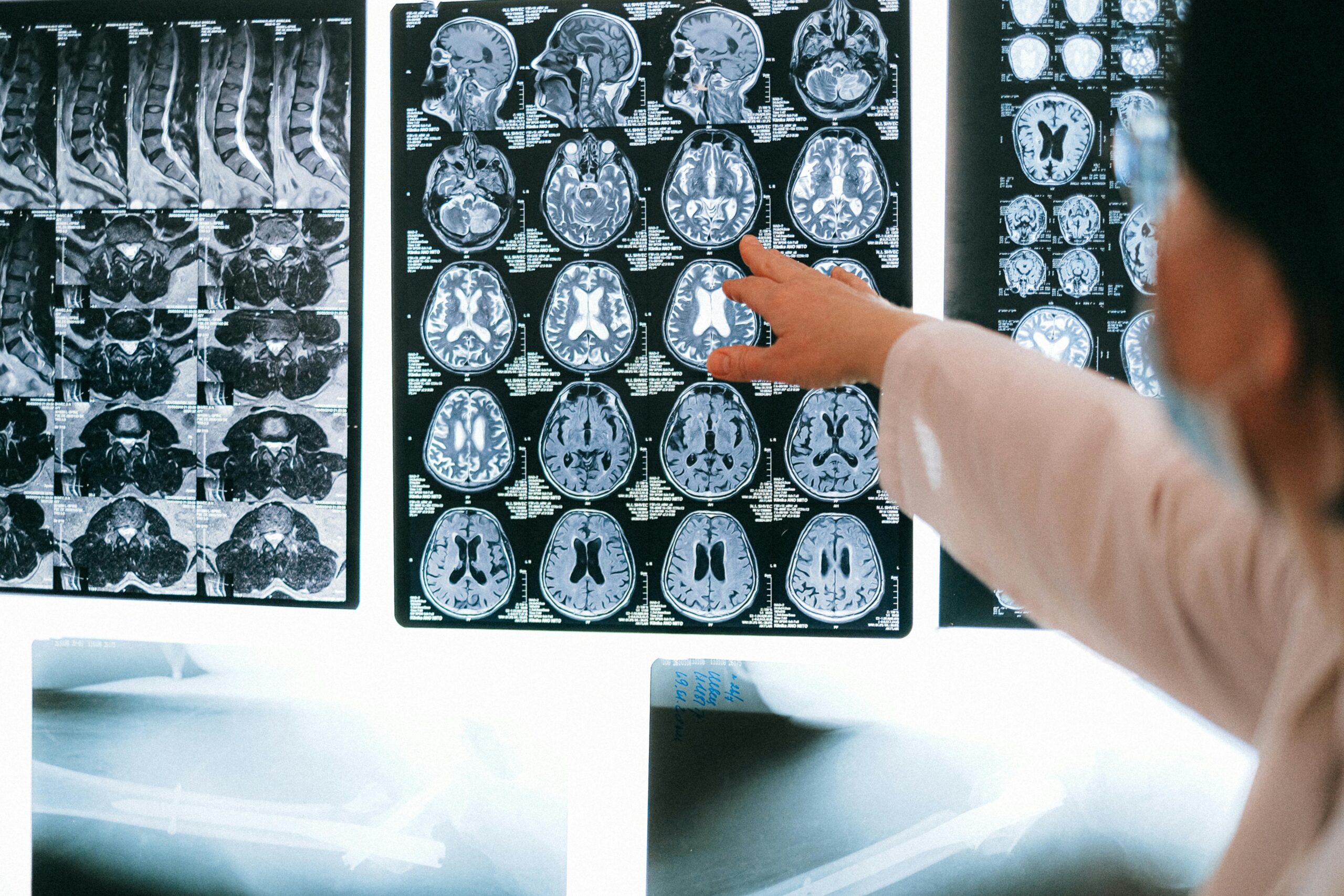
The invisible world inside your gut holds remarkable power over your mental state. Scientists are uncovering how trillions of microorganisms influence everything from daily mood to long-term psychological wellbeing.

Your digestive system houses an intricate ecosystem that communicates directly with your brain through multiple pathways. This bidirectional relationship between gut microbiota and mental health represents one of the most exciting frontiers in modern wellness research, offering new perspectives on treating depression, anxiety, and cognitive decline.
🧠 The Invisible Orchestra Conducting Your Emotions
Inside your gastrointestinal tract lives a complex community of approximately 100 trillion microorganisms—bacteria, viruses, fungi, and other microscopic life forms collectively known as the gut microbiome. This internal ecosystem weighs roughly three pounds and contains more genetic material than your entire human genome.
These microorganisms aren’t passive residents. They actively produce neurotransmitters, regulate inflammation, influence hormone production, and communicate with your central nervous system through what scientists call the gut-brain axis. This communication highway operates through neural, endocrine, and immune system pathways, creating a sophisticated feedback loop that shapes your psychological experiences.
Research from leading institutions has demonstrated that gut bacteria produce significant quantities of neurotransmitters identical to those your brain uses for mood regulation. Approximately 90% of your body’s serotonin—the “happiness chemical”—is manufactured in your gut, not your brain. Similarly, gut microbes produce dopamine, GABA, and norepinephrine, all critical players in emotional balance.
The Vagus Nerve: Your Body’s Information Superhighway
The vagus nerve serves as the primary physical connection between your gut and brain, functioning like a fiber-optic cable transmitting information in both directions. This cranial nerve extends from your brainstem through your chest and into your abdomen, constantly relaying signals about your gut’s microbial environment to your central nervous system.
Studies involving vagus nerve stimulation have shown remarkable improvements in treatment-resistant depression, suggesting this pathway plays a crucial role in mental health regulation. When your gut microbiome is balanced, it sends calming signals through the vagus nerve. When dysbiosis (microbial imbalance) occurs, inflammatory signals travel upward, potentially triggering anxiety and depressive symptoms.
🔬 Scientific Evidence Linking Microbes to Mood
Groundbreaking research has moved beyond correlation to demonstrate causation in the gut-brain relationship. Landmark studies have transplanted gut bacteria from depressed individuals into germ-free mice, successfully transferring depression-like behaviors to the animals. When researchers reversed the process, transplanting microbiota from healthy individuals, the depressive behaviors diminished.
A comprehensive analysis published in Nature Microbiology identified specific bacterial species associated with quality of life and depression. The research found that people with depression consistently showed depleted levels of Coprococcus and Dialister bacteria, both known to produce anti-inflammatory compounds that protect neural tissue.
Clinical trials examining probiotic interventions have yielded promising results. Participants receiving specific bacterial strains reported reduced symptoms of anxiety and depression compared to placebo groups. While not a standalone treatment, these findings suggest microbiome optimization can complement traditional mental health approaches.
Inflammation: The Hidden Link Between Gut and Mind
Chronic low-grade inflammation represents a critical mechanism connecting gut health to mental wellness. When your microbiome becomes imbalanced, intestinal barrier integrity weakens—a condition colloquially called “leaky gut.” This allows bacterial fragments and toxins to enter your bloodstream, triggering systemic inflammation.
Your brain responds to these inflammatory signals by altering neurotransmitter metabolism, reducing neuroplasticity, and activating stress response systems. This inflammatory cascade has been implicated in major depressive disorder, anxiety conditions, and even neurodegenerative diseases like Alzheimer’s and Parkinson’s.
Beneficial gut bacteria produce short-chain fatty acids (SCFAs) like butyrate, propionate, and acetate through fermenting dietary fiber. These compounds possess potent anti-inflammatory properties and can cross the blood-brain barrier to directly influence neural function, protecting against mood disorders.
🥗 Feeding Your Microbiome for Mental Clarity
Your dietary choices directly shape your microbial community composition within 24-48 hours. This rapid response means you possess significant power to influence your mental health through strategic nutritional decisions.
Fiber-rich foods serve as fuel for beneficial bacteria. When you consume diverse plant foods—vegetables, fruits, whole grains, legumes, nuts, and seeds—you provide substrate for bacterial fermentation. This process generates those beneficial SCFAs that support both gut integrity and brain health.
Fermented foods introduce live beneficial bacteria directly into your system. Yogurt, kefir, sauerkraut, kimchi, kombucha, miso, and tempeh contain probiotics that can temporarily colonize your gut and support existing beneficial populations. Regular consumption appears more effective than sporadic intake for maintaining microbial diversity.
The Mediterranean Mind: Diet Patterns That Support Mental Wellness
The Mediterranean diet consistently emerges in research as protective against depression and cognitive decline. This eating pattern emphasizes olive oil, fish, vegetables, fruits, whole grains, legumes, and moderate wine consumption while limiting red meat and processed foods.
Studies tracking thousands of participants over years have shown those adhering closely to Mediterranean dietary patterns experience 25-35% lower depression risk compared to those following Western dietary patterns high in processed foods, sugar, and saturated fats.
The mechanism likely involves multiple pathways: reduced inflammation, improved microbial diversity, enhanced production of brain-derived neurotrophic factor (BDNF), and better blood sugar regulation—all factors that influence mood and cognitive function.
💊 Probiotics and Psychobiotics: The New Frontier
Psychobiotics represent a specialized category of probiotics specifically selected for mental health benefits. These bacterial strains have demonstrated measurable effects on anxiety, depression, stress response, and cognitive performance in controlled studies.
Lactobacillus and Bifidobacterium species have received the most research attention. Specific strains like Lactobacillus rhamnosus, Lactobacillus helveticus, Bifidobacterium longum, and Bifidobacterium breve have shown promise in reducing psychological distress and improving emotional processing.
However, not all probiotics deliver mental health benefits. Strain specificity matters tremendously—the effects of one bacterial strain cannot be generalized to others, even within the same species. This makes selecting evidence-based formulations important for those seeking psychological benefits.
Prebiotics: Fertilizer for Your Mental Garden
Prebiotics are non-digestible fibers that selectively feed beneficial bacteria. Compounds like inulin, fructooligosaccharides (FOS), and galactooligosaccharides (GOS) promote the growth of mood-supporting microbes while discouraging pathogenic species.
Foods naturally rich in prebiotics include garlic, onions, leeks, asparagus, bananas, oats, apples, and Jerusalem artichokes. Research indicates that prebiotic supplementation can reduce cortisol awakening response—a marker of stress reactivity—and improve emotional processing of negative versus positive stimuli.
The combination of probiotics and prebiotics, called synbiotics, may offer enhanced benefits by simultaneously introducing beneficial bacteria and providing their preferred fuel sources. This approach supports both colonization and sustained activity of mood-supporting microbes.
🏃♀️ Lifestyle Factors That Shape Your Inner Ecosystem
Beyond diet, multiple lifestyle factors influence microbial composition and the gut-brain connection. Exercise represents one of the most powerful interventions, with studies showing regular physical activity increases microbial diversity and enriches populations of butyrate-producing bacteria.
Aerobic exercise appears particularly beneficial, potentially working through multiple mechanisms: improved gut transit time, reduced inflammation, enhanced vagus nerve tone, and direct effects on bacterial gene expression. Even moderate activity—30 minutes of brisk walking daily—can measurably shift microbial composition toward health-promoting profiles.
Sleep quality and gut health operate in a bidirectional relationship. Poor sleep disrupts microbial rhythms (yes, bacteria have circadian patterns), while dysbiosis can fragment sleep architecture and reduce sleep quality. Prioritizing consistent sleep schedules supports both microbial stability and mental wellbeing.
Stress: The Microbiome Disruptor
Chronic psychological stress significantly alters gut microbial composition, reducing beneficial species while promoting potentially pathogenic bacteria. Stress hormones like cortisol directly affect intestinal permeability and alter the gut environment in ways that disadvantage helpful microbes.
This creates a problematic cycle: stress disrupts your microbiome, the altered microbiome sends inflammatory signals that heighten stress responses, further disturbing microbial balance. Breaking this cycle requires addressing both psychological stress management and microbiome support simultaneously.
Meditation, mindfulness practices, and other stress-reduction techniques demonstrably benefit gut health. Studies show regular meditation practice increases beneficial Lactobacillus and Bifidobacterium populations while reducing markers of intestinal inflammation.
🚫 Microbiome Disruptors to Avoid
Certain modern exposures significantly harm microbial diversity and mental health. Antibiotics, while sometimes medically necessary, devastate microbial communities. A single course can reduce bacterial diversity for months or even years, potentially affecting mood and cognitive function during recovery periods.
When antibiotics are necessary, concurrent and post-treatment probiotic supplementation may help preserve microbial diversity and reduce antibiotic-associated mental health effects. Consuming fermented foods during this period provides additional support for microbiome recovery.
Artificial sweeteners, particularly saccharin, sucralose, and aspartame, negatively impact gut bacteria despite being calorie-free. Research indicates these compounds alter microbial composition in ways that promote glucose intolerance and inflammatory responses—both risk factors for mood disorders.
The Processed Food Problem
Ultra-processed foods—products containing ingredients you wouldn’t find in a home kitchen—consistently correlate with reduced microbial diversity and increased depression risk. These foods typically lack fiber, contain emulsifiers that damage gut lining, and include additives that may directly harm beneficial bacteria.
Emulsifiers like polysorbate 80 and carboxymethylcellulose, common in processed foods, have been shown to reduce the protective mucus layer separating bacteria from intestinal cells, promoting inflammation and metabolic dysfunction that can affect mental health.
A dietary shift toward whole, minimally processed foods represents one of the most impactful interventions for microbiome and mental health. This doesn’t require perfection—research suggests that even replacing 10-20% of processed food intake with whole foods can measurably improve microbial diversity.
🌟 Practical Steps to Optimize Your Gut-Brain Axis
Implementing gut-brain health doesn’t require radical overnight changes. Small, consistent modifications accumulate into significant benefits over weeks and months. Start by adding rather than restricting—incorporate more diverse plant foods before eliminating favorite items.
Aim for 30 different plant foods weekly, a target shown to significantly increase microbial diversity compared to consuming fewer than 10 plant varieties. This includes all vegetables, fruits, whole grains, legumes, nuts, seeds, and herbs—variety matters more than volume for any single food.
Establish a regular eating schedule that supports microbial circadian rhythms. Time-restricted eating, where you consume all food within a consistent 10-12 hour window, may benefit both metabolic health and microbial stability, though more research is needed on mental health outcomes specifically.
Tracking Your Progress
Mental wellness improvements from microbiome optimization typically emerge gradually over 4-8 weeks rather than immediately. Keeping a simple journal tracking mood, energy, sleep quality, and digestive symptoms can help you identify patterns and beneficial changes over time.
Some individuals pursue microbiome testing through commercial services, though interpretation remains complex and clinical utility for mental health is still developing. These tests can provide interesting insights into your microbial composition but shouldn’t replace evidence-based dietary and lifestyle interventions.
Consider working with healthcare providers knowledgeable about the gut-brain connection—integrative psychiatrists, functional medicine practitioners, or registered dietitians specializing in mental health nutrition—who can provide personalized guidance based on your specific situation and symptoms.
🔮 The Future of Mental Health Treatment
The gut-brain connection represents a paradigm shift in understanding and treating mental health conditions. Rather than viewing depression and anxiety as purely brain-based disorders, emerging research frames them as whole-body conditions where gut health plays a central role.
Future treatments may include personalized probiotic formulations tailored to individual microbial profiles, fecal microbiota transplants for treatment-resistant depression, and dietary interventions prescribed alongside traditional therapies. Several clinical trials are currently investigating these approaches with promising preliminary results.
Artificial intelligence and machine learning are being applied to massive microbiome datasets, potentially identifying patterns that predict mental health outcomes and treatment responses. This could eventually enable precision medicine approaches where interventions are selected based on your unique microbial signature.
The democratization of this knowledge empowers individuals to take actionable steps for mental wellness without waiting for perfect scientific clarity. While research continues revealing mechanisms and refining recommendations, the basic principles—eat diverse whole foods, reduce stress, move regularly, sleep consistently, and minimize microbiome disruptors—already offer substantial benefits.

🌈 Embracing Your Inner Ecosystem
Understanding the gut-brain connection fundamentally changes how we approach mental wellness. Your mood isn’t solely determined by life circumstances or brain chemistry—it’s influenced by the microscopic ecosystem flourishing within you. This knowledge is empowering rather than limiting, offering new avenues for improving psychological wellbeing.
The relationship between your gut and mind exemplifies the interconnectedness of body systems. Mental health cannot be separated from physical health, and interventions supporting one invariably benefit the other. This holistic perspective aligns with growing recognition that sustainable wellness requires addressing multiple dimensions simultaneously.
Your microbiome responds to care and attention, rewarding consistent nurturing with improved mood, enhanced resilience, and greater emotional balance. The trillions of microorganisms sharing your body aren’t invaders or passengers—they’re partners in your health journey, contributing to your happiness and mental clarity in profound ways.
As research continues illuminating this fascinating connection, one truth becomes increasingly clear: taking care of your gut means taking care of your mind. The path to mental wellness may very well begin in your digestive system, with every meal representing an opportunity to nourish not just your body, but your mood, thoughts, and emotional wellbeing.