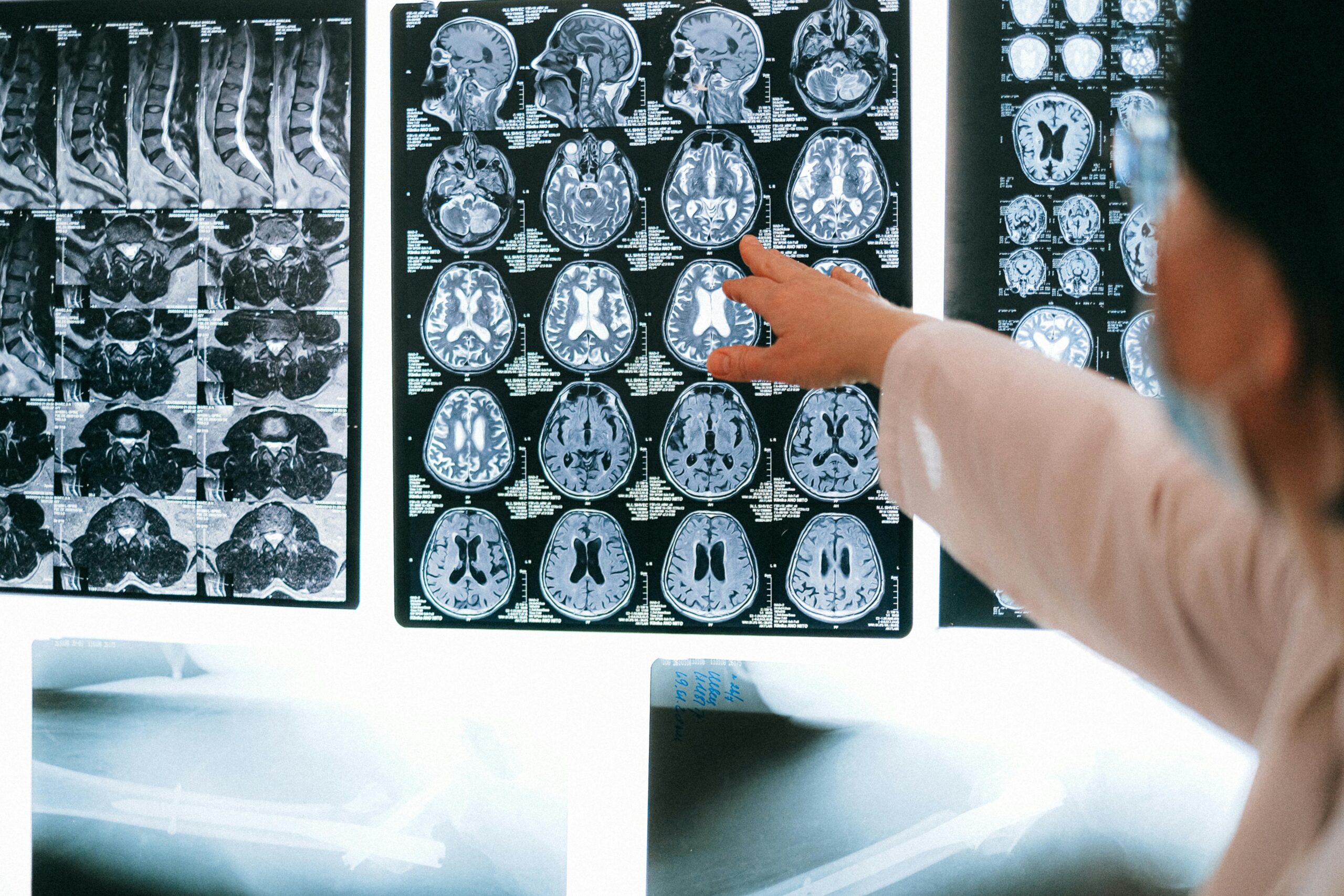
Your gut and brain are in constant conversation, exchanging messages that influence everything from your emotions to your cognitive abilities. This remarkable connection between your digestive system and mental state is more powerful than most people realize.

Scientists have discovered that the gut microbiome—the trillions of bacteria living in your intestines—produces neurotransmitters, regulates inflammation, and sends signals directly to your brain through the vagus nerve. Understanding this gut-brain axis opens new possibilities for managing anxiety, depression, and overall mental wellness through dietary and lifestyle interventions.
🧠 The Biological Highway: Understanding the Gut-Brain Axis
The gut-brain axis represents a bidirectional communication system connecting your gastrointestinal tract with your central nervous system. This sophisticated network involves multiple pathways, including neural connections, hormonal signals, and immunological responses that work together to maintain both physical and mental health.
The vagus nerve serves as the primary physical connection, acting like a telephone line carrying information in both directions. When your gut detects certain nutrients, toxins, or bacterial metabolites, it sends urgent messages to your brain, which then responds by adjusting everything from mood to motivation levels.
The Microbiome’s Mental Health Influence
Your gut microbiome contains approximately 100 trillion microorganisms, outnumbering your human cells by a factor of ten. These microscopic inhabitants aren’t just passive residents—they actively produce neurotransmitters and other compounds that directly affect your mental state.
Research has shown that gut bacteria produce about 95% of your body’s serotonin, the neurotransmitter often called the “happiness chemical.” They also manufacture GABA, dopamine, and norepinephrine—all crucial for regulating mood, anxiety, and stress responses. When your microbiome becomes imbalanced, these neurotransmitter levels can fluctuate, potentially triggering mental health symptoms.
💊 How Digestive Signals Transform Your Emotional Landscape
Every meal you consume sets off a cascade of chemical reactions that extend far beyond simple digestion. The foods you eat literally change your brain chemistry within hours, influencing your emotional responses and cognitive performance throughout the day.
When you eat processed foods high in sugar and unhealthy fats, harmful bacteria in your gut multiply rapidly. These bacteria produce inflammatory compounds and endotoxins that leak into your bloodstream, triggering systemic inflammation that reaches your brain. This inflammation has been linked to depression, anxiety disorders, and cognitive decline.
The Inflammation-Depression Connection
Chronic low-grade inflammation originating in the gut has emerged as a major factor in depression and other mood disorders. When your gut lining becomes permeable—a condition often called “leaky gut”—bacterial fragments and undigested food particles enter your bloodstream, activating your immune system.
This immune activation produces inflammatory cytokines that travel to your brain, where they interfere with neurotransmitter production and disrupt neural circuits involved in mood regulation. Studies have found that people with depression often have elevated markers of inflammation and disrupted gut microbiomes compared to those without mental health conditions.
🥗 Foods That Fuel Mental Wellness Through Gut Health
The Mediterranean diet has consistently demonstrated powerful effects on both gut health and mental well-being. This eating pattern emphasizes whole foods, healthy fats, fermented products, and fiber-rich vegetables that nourish beneficial gut bacteria while reducing inflammation.
Fermented foods deserve special attention for their mental health benefits. Yogurt, kefir, sauerkraut, kimchi, and kombucha contain live probiotics that directly supplement your gut microbiome with beneficial bacteria. Regular consumption of these foods has been associated with reduced anxiety and improved mood in multiple clinical studies.
Prebiotics: The Forgotten Foundation
While probiotics get most of the attention, prebiotics—the fiber compounds that feed your beneficial bacteria—may be even more important for long-term mental health. Prebiotic-rich foods include garlic, onions, leeks, asparagus, bananas, oats, and Jerusalem artichokes.
When gut bacteria ferment these prebiotic fibers, they produce short-chain fatty acids (SCFAs) like butyrate, which have profound effects on brain health. Butyrate strengthens the gut barrier, reduces inflammation, and even crosses the blood-brain barrier to directly influence neural function and protect against neurodegeneration.
🔬 The Science Behind Psychobiotics: Bacteria That Change Your Mind
Psychobiotics represent an exciting frontier in mental health treatment—specific probiotic strains that have been shown to produce measurable psychological benefits. These aren’t just any probiotics; they’re carefully selected bacterial species with documented effects on anxiety, depression, and stress resilience.
Lactobacillus and Bifidobacterium species have received the most research attention. Studies have found that specific strains can reduce cortisol levels, improve stress responses, and even alleviate symptoms in people diagnosed with clinical depression or anxiety disorders. These effects appear to work through multiple mechanisms, including neurotransmitter production, vagus nerve stimulation, and inflammation reduction.
Clinical Evidence for Mental Health Applications
A groundbreaking study published in the journal Gastroenterology found that participants who consumed a probiotic-rich yogurt twice daily for four weeks showed altered brain activity in regions controlling emotion and sensation. Another study demonstrated that people taking Lactobacillus helveticus and Bifidobacterium longum experienced significant reductions in anxiety and depression scores compared to placebo groups.
While research is still emerging, the evidence suggests that targeted probiotic supplementation could become a valuable complementary treatment for mental health conditions, particularly when combined with conventional therapies and lifestyle modifications.
⚡ Stress, Digestion, and the Vicious Cycle
Stress doesn’t just affect your mind—it immediately impacts your digestive system. When you experience psychological stress, your body activates the “fight or flight” response, which redirects blood flow away from your digestive organs and alters gut motility, enzyme secretion, and intestinal permeability.
This stress response changes the composition of your gut microbiome, favoring harmful bacteria over beneficial species. These opportunistic microbes produce compounds that amplify your stress response, creating a self-perpetuating cycle where stress damages your gut, and gut dysfunction worsens your stress and anxiety.
Breaking the Stress-Gut Feedback Loop
Interrupting this cycle requires addressing both the psychological and physiological components. Mind-body practices like meditation, yoga, and deep breathing exercises have been shown to reduce stress hormones while simultaneously improving gut microbiome diversity and reducing intestinal inflammation.
Regular physical activity also breaks this cycle by reducing systemic inflammation, improving gut motility, and increasing production of brain-derived neurotrophic factor (BDNF), a protein that supports both gut and brain health. Even moderate exercise like walking for 30 minutes daily can produce measurable improvements in mood and digestive function.
🌙 Sleep, Circadian Rhythms, and Digestive Mental Health
Your gut microbiome follows a circadian rhythm, with bacterial populations and metabolic activities fluctuating throughout the day. This microbial clock synchronizes with your brain’s circadian control center, creating a coordinated system that regulates sleep, appetite, and mood across 24-hour cycles.
When you disrupt your sleep schedule through irregular bedtimes, night shift work, or jet lag, you also disturb your gut microbiome’s rhythms. This disruption leads to dysbiosis, increased intestinal permeability, and altered production of neurotransmitters and hormones that govern mood and cognitive function.
Optimizing Your Microbiome’s Daily Rhythm
Maintaining consistent meal times helps entrain your gut microbiome to regular circadian patterns. Time-restricted eating, where you consume all your daily calories within an 8-12 hour window, has shown promise for improving both gut health and mental clarity by allowing your digestive system extended rest periods for repair and regeneration.
Prioritizing sleep quality directly benefits your gut-brain connection. Aim for 7-9 hours of sleep in a dark, cool environment, and consider avoiding late-night eating, which disrupts both digestive processes and sleep architecture, ultimately compromising your mental performance the following day.
💡 Practical Strategies to Optimize Your Gut-Brain Connection
Transforming your gut health to support better mental wellness doesn’t require extreme measures. Small, consistent changes in your daily habits can produce significant improvements in both digestive function and mood regulation over time.
Start by gradually increasing your intake of diverse plant foods. Aim for at least 30 different plant species per week, including vegetables, fruits, legumes, nuts, seeds, and whole grains. This diversity feeds different bacterial species in your gut, creating a more resilient and balanced microbiome ecosystem.
Building Your Gut-Brain Optimization Plan
- Incorporate fermented foods daily: Add a serving of yogurt, kefir, or sauerkraut to at least one meal each day to provide beneficial probiotics.
- Prioritize fiber intake: Aim for 30-40 grams of fiber daily from whole food sources to nourish your gut bacteria and support neurotransmitter production.
- Limit processed foods and added sugars: These feed harmful bacteria and promote inflammation that disrupts the gut-brain axis.
- Stay hydrated: Adequate water intake supports the mucosal lining of your intestines and facilitates neurotransmitter transport.
- Manage stress through daily practices: Implement at least one stress-reduction technique like meditation, deep breathing, or gentle exercise.
- Consider probiotic supplementation: If dietary sources are insufficient, a high-quality probiotic containing Lactobacillus and Bifidobacterium strains may provide additional benefits.
- Establish regular meal and sleep schedules: Consistency helps synchronize your gut microbiome’s circadian rhythms with your brain’s natural cycles.
🎯 Recognizing When Your Gut May Be Affecting Your Mind
Many people suffer from mood and cognitive symptoms without realizing that their gut health may be a contributing factor. Certain signs suggest that digestive dysfunction might be impacting your mental well-being and deserve closer attention.
If you experience unexplained mood swings, brain fog, or anxiety alongside digestive symptoms like bloating, irregular bowel movements, or food sensitivities, your gut-brain connection may be compromised. Similarly, if your mental health symptoms worsen after eating certain foods or during periods of digestive distress, this suggests a strong gut-brain component.
When to Seek Professional Guidance
While many gut-brain issues can be addressed through dietary and lifestyle modifications, some situations warrant professional evaluation. Persistent digestive symptoms combined with significant mental health concerns should be discussed with healthcare providers who understand the gut-brain connection.
Functional medicine practitioners, integrative psychiatrists, and gastroenterologists specializing in the microbiome can provide comprehensive assessments, including specialized testing for gut microbiome composition, intestinal permeability, and inflammatory markers that may be affecting your mental health.

🌟 The Future of Mental Health: Treating the Gut to Heal the Mind
The emerging field of nutritional psychiatry recognizes that mental health treatment must extend beyond the brain to include the gut. This paradigm shift is leading to innovative therapeutic approaches that combine traditional mental health interventions with targeted gut microbiome modifications.
Researchers are developing precision probiotic treatments tailored to individual microbiome profiles and mental health symptoms. Future treatments may include fecal microbiota transplants for depression, personalized dietary prescriptions based on gut bacterial compositions, and novel psychobiotics designed to target specific neural pathways involved in mood disorders.
Empowering Yourself Through Understanding
The gut-brain connection offers a powerful opportunity to take control of your mental wellness through actionable dietary and lifestyle choices. Unlike many mental health factors that feel beyond your control, you can directly influence your gut microbiome through the foods you eat, the stress management practices you adopt, and the daily habits you cultivate.
This knowledge transforms mental health from something that simply happens to you into something you can actively improve. By nourishing your gut with diverse, whole foods, managing stress effectively, prioritizing sleep, and maintaining healthy lifestyle patterns, you create the optimal internal environment for both digestive health and mental well-being.
The conversation between your gut and brain never stops—every meal, every stressful moment, and every lifestyle choice sends signals that shape your mood, cognition, and emotional resilience. By understanding and respecting this profound connection, you unlock new pathways to mental wellness that work with your body’s natural wisdom rather than against it. Your gut truly is your second brain, and treating it well means treating your mind well too.