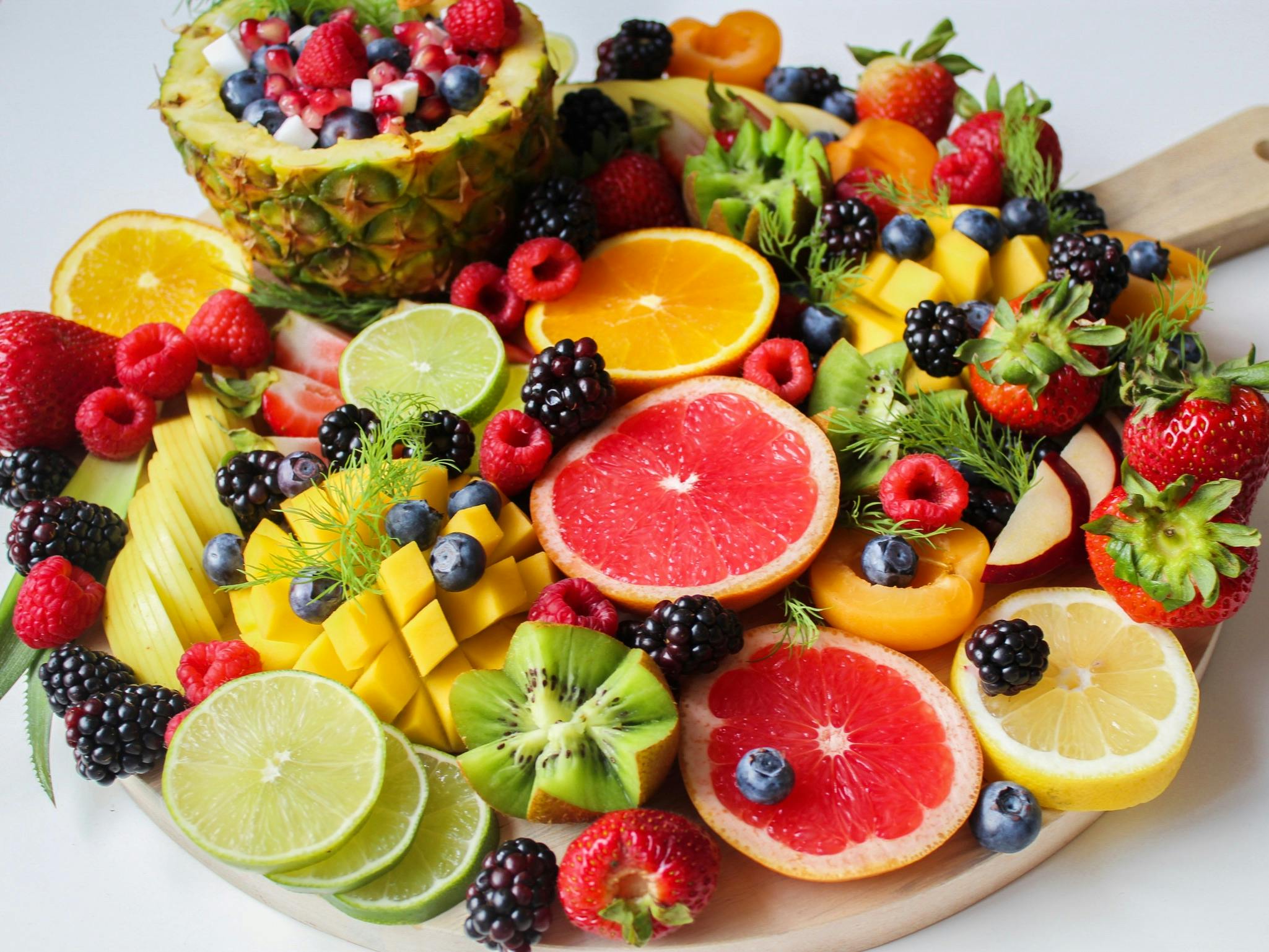
The science of eating is evolving beyond calories and nutrients. Today, researchers are discovering profound connections between what we eat and how we feel, opening doors to personalized wellness strategies that could revolutionize mental health.

Food has always been more than fuel for our bodies. Ancient civilizations recognized the power of certain foods to lift spirits or calm nerves, but only recently has science begun to quantify these relationships with precision. Food–mood predictive models represent a cutting-edge intersection of nutrition science, psychology, and artificial intelligence, promising to transform how we approach emotional wellness through dietary choices.
🧠 The Scientific Foundation: How Food Influences Our Emotions
The gut-brain axis represents one of the most fascinating discoveries in modern neuroscience. This bidirectional communication highway between our digestive system and brain influences everything from mood regulation to cognitive function. When we consume food, we’re not just feeding our bodies—we’re directly impacting the neurochemical landscape of our minds.
Neurotransmitters like serotonin, dopamine, and GABA are largely produced in the gut, with approximately 90% of serotonin manufactured by intestinal cells. These chemical messengers play crucial roles in regulating mood, anxiety, and overall emotional well-being. The foods we choose either support or hinder this delicate production process.
Complex carbohydrates, for instance, facilitate tryptophan transport across the blood-brain barrier, leading to increased serotonin synthesis. Omega-3 fatty acids found in fatty fish support brain cell membrane fluidity and reduce inflammation, which has been linked to depression. Meanwhile, processed foods high in refined sugars and unhealthy fats can trigger inflammatory responses that negatively impact mental health.
📊 What Are Food–Mood Predictive Models?
Food–mood predictive models are sophisticated algorithms that analyze relationships between dietary intake and emotional states. These models leverage machine learning and artificial intelligence to identify patterns that would be impossible for humans to detect manually across large datasets.
By collecting data on what people eat, when they eat, and their subsequent mood reports, these models can predict how specific foods or eating patterns will likely affect an individual’s emotional state. The personalization aspect is crucial—what elevates mood for one person might have minimal or even negative effects on another.
These predictive systems consider multiple variables including nutritional composition, meal timing, portion sizes, food combinations, individual metabolic factors, microbiome composition, and existing health conditions. The result is a nuanced understanding of personal food–mood relationships that goes far beyond generic dietary advice.
Key Components of Predictive Food–Mood Systems
- Data Collection: Continuous tracking of dietary intake and emotional states through apps, wearables, or journals
- Pattern Recognition: Machine learning algorithms identify correlations between specific foods and mood changes
- Personalization Engines: Systems adapt recommendations based on individual responses and preferences
- Real-Time Feedback: Immediate insights help users make informed choices in the moment
- Longitudinal Analysis: Long-term tracking reveals how dietary patterns influence emotional wellness over time
🍽️ The Psychology of Eating and Emotional Well-Being
Our relationship with food is deeply psychological. Comfort foods trigger memories and associations that influence mood independently of their nutritional content. Stress eating, emotional eating, and reward-based eating patterns all demonstrate the complex interplay between psychology and nutrition.
Food–mood predictive models account for these psychological dimensions alongside physiological factors. They recognize that a food might improve mood not only because of its omega-3 content but also because it’s associated with positive memories or cultural traditions that provide emotional comfort.
Understanding these psychological components allows for more holistic wellness strategies. Rather than prescribing rigid dietary rules that ignore individual preferences and emotional needs, predictive models work with a person’s existing relationship with food to gradually shift patterns toward greater well-being.
🔬 The Role of the Microbiome in Mood Regulation
Your gut microbiome—the trillions of bacteria residing in your digestive system—plays a surprisingly central role in emotional health. These microorganisms produce neurotransmitters, vitamins, and metabolites that directly influence brain function and mood regulation.
Different foods feed different bacterial populations. Fermented foods like yogurt, kefir, kimchi, and sauerkraut introduce beneficial probiotics. Prebiotic fibers from vegetables, fruits, and whole grains nourish existing beneficial bacteria. The composition of your microbiome can influence inflammation levels, stress response, and even susceptibility to anxiety and depression.
Advanced food–mood predictive models are beginning to incorporate microbiome data, recognizing that two people eating identical meals may experience different emotional outcomes based on their unique bacterial populations. This represents the frontier of truly personalized nutrition science.
💡 How Predictive Models Transform Daily Eating Decisions
The practical application of food–mood science happens at the individual level, meal by meal. Predictive models transform abstract nutritional knowledge into actionable guidance tailored to your specific needs and circumstances.
Imagine preparing lunch and receiving a notification that based on your recent stress levels and morning food intake, a salmon salad with walnuts and leafy greens would likely optimize your afternoon mood and energy. Or discovering that your evening anxiety patterns correlate strongly with afternoon caffeine consumption, allowing you to adjust timing strategically.
These insights empower people to become active participants in their emotional wellness rather than passive recipients of generic advice. The feedback loop—eating, experiencing mood changes, and receiving refined predictions—creates continuous learning and improvement.
Real-World Applications and Success Stories
Healthcare providers are beginning to integrate food–mood tracking into treatment plans for depression, anxiety, and other mental health conditions. While not replacing traditional therapies, nutritional interventions guided by predictive models provide an additional tool that patients can control directly.
Corporate wellness programs are adopting these technologies to help employees manage stress and maintain productivity. Athletes use food–mood tracking to optimize performance and recovery. Parents discover dietary triggers for children’s behavioral issues. The applications span virtually every aspect of life where mood and performance matter.
🥗 Foods That Consistently Support Positive Mood States
While individual responses vary, research has identified certain foods that generally support emotional well-being across populations. These mood-supporting foods share common characteristics: they’re nutrient-dense, support stable blood sugar, reduce inflammation, and provide building blocks for neurotransmitter production.
| Food Category | Key Nutrients | Mood Benefits |
|---|---|---|
| Fatty Fish (salmon, mackerel, sardines) | Omega-3 fatty acids, vitamin D, protein | Reduces inflammation, supports brain health, stabilizes mood |
| Fermented Foods (yogurt, kefir, kimchi) | Probiotics, B vitamins | Enhances gut health, supports neurotransmitter production |
| Leafy Greens (spinach, kale, Swiss chard) | Folate, magnesium, fiber | Supports serotonin synthesis, reduces anxiety |
| Nuts and Seeds (walnuts, almonds, pumpkin seeds) | Healthy fats, magnesium, zinc | Stabilizes blood sugar, supports brain function |
| Berries (blueberries, strawberries, blackberries) | Antioxidants, vitamin C, fiber | Reduces oxidative stress, supports cognitive function |
| Whole Grains (oats, quinoa, brown rice) | Complex carbohydrates, B vitamins, fiber | Provides steady energy, supports serotonin production |
⚠️ Foods That May Negatively Impact Emotional Wellness
Just as certain foods support mood, others can undermine emotional stability. Understanding these relationships helps people make informed choices, especially during vulnerable periods when mental health needs extra support.
Refined sugars cause rapid blood glucose spikes followed by crashes that trigger irritability, anxiety, and fatigue. Excessive caffeine can exacerbate anxiety and disrupt sleep patterns, creating a negative cycle. Trans fats and heavily processed foods promote inflammation linked to depression. Alcohol, despite its initial relaxing effects, disrupts neurotransmitter balance and impairs sleep quality.
Food–mood predictive models help individuals identify their personal trigger foods—items that consistently precede negative mood states. These triggers vary significantly between people, making personalized tracking essential for optimization.
📱 Technology Enabling Food–Mood Tracking and Prediction
The proliferation of smartphones and wearable devices has made continuous food–mood tracking feasible for the first time. Apps allow users to photograph meals, log ingredients, record mood states, and receive real-time feedback based on their personal data patterns.
Some applications integrate with fitness trackers to correlate physical activity, sleep quality, and dietary intake with emotional states. Others connect with smart kitchen devices or grocery delivery services to streamline the process of implementing mood-optimizing meal plans.
Artificial intelligence powers the analysis, but the interface remains user-friendly and accessible. Most systems require only minutes per day of input, making adherence realistic for busy lifestyles.
🌟 Implementing a Food–Mood Strategy in Your Life
Starting a food–mood optimization journey doesn’t require perfection or dramatic changes. Small, sustainable adjustments guided by personal data create lasting transformation more effectively than radical overhauls.
Begin by tracking current patterns without making changes. This establishes a baseline and helps identify existing correlations you might not have noticed. After one to two weeks of observation, introduce small experiments: add a serving of fatty fish twice weekly, reduce afternoon sugar intake, or incorporate a fermented food daily.
Monitor mood changes following these adjustments. Predictive models become more accurate with more data, so consistency matters more than perfection. Over time, patterns emerge that guide increasingly precise recommendations tailored to your unique biology and lifestyle.
Practical Steps to Get Started
- Choose a food–mood tracking method that fits your lifestyle, whether that’s an app, journal, or simple notes
- Rate your mood at consistent times daily using a simple scale
- Record meals with enough detail to identify patterns (ingredients, portions, timing)
- Note other relevant factors like sleep quality, stress levels, and physical activity
- Review your data weekly to spot correlations between specific foods and mood changes
- Implement one small dietary change at a time based on your observations
- Be patient—meaningful patterns typically emerge after three to four weeks of consistent tracking
🔮 The Future of Personalized Nutritional Psychiatry
The field of nutritional psychiatry stands at an exciting threshold. As predictive models become more sophisticated and datasets grow larger, the accuracy and utility of food–mood recommendations will continue improving dramatically.
Future iterations may incorporate genetic testing to identify specific nutritional needs based on DNA variations affecting metabolism and neurotransmitter production. Real-time biosensors could monitor blood glucose, inflammatory markers, and stress hormones, providing immediate feedback on how meals affect your physiology.
Integration with telemedicine platforms could enable healthcare providers to monitor patients’ nutritional adherence and mood outcomes remotely, adjusting treatment plans based on objective data rather than self-report alone. The democratization of this technology promises to make personalized nutritional support accessible far beyond traditional clinical settings.
🤝 Combining Food–Mood Strategies with Other Wellness Practices
While food powerfully influences mood, it works best as part of a comprehensive wellness approach. Sleep, physical activity, stress management, social connection, and purpose all interact with nutrition to determine overall emotional well-being.
Predictive models are expanding to account for these interconnections. A meal that normally elevates mood might have diminished effects following poor sleep. Exercise timing relative to meals influences both energy and emotional states. Stress levels affect how efficiently the body processes certain nutrients.
The most effective wellness strategies recognize these synergies, using food–mood optimization as one component within a holistic framework. This integrated approach addresses mental health from multiple angles simultaneously, creating resilience that withstands life’s inevitable challenges.
💪 Empowerment Through Knowledge and Personalization
Perhaps the most transformative aspect of food–mood predictive models is the empowerment they provide. Mental health has often felt mysterious and beyond personal control, but understanding how daily choices influence emotional states returns agency to individuals.
This knowledge reduces feelings of helplessness that often accompany mood disorders. Rather than waiting passively for pharmaceutical interventions or therapy sessions, people can take immediate action through dietary adjustments informed by their personal data.
The personalization element is equally crucial. Generic dietary advice fails because human biology varies tremendously. What works for your neighbor or appeared in a popular article may not work for you. Food–mood predictive models honor this individuality, providing recommendations based on your unique responses rather than population averages.

🌈 Unlocking Your Personal Path to Happiness Through Food
The relationship between food and mood is complex, deeply personal, and more influential than most people realize. As predictive models become increasingly sophisticated and accessible, we’re entering an era where optimizing emotional wellness through dietary choices moves from theoretical possibility to practical reality.
This transformation doesn’t promise instant happiness or replace necessary mental health treatments. Instead, it offers an additional, powerful tool that individuals can control directly. By understanding how specific foods affect your unique biology and psychology, you gain the knowledge needed to make choices that support rather than undermine your emotional goals.
The science is clear: what you eat matters profoundly for how you feel. Food–mood predictive models simply help you discover what that means specifically for you. As you begin tracking, experimenting, and refining your approach, you’re not just changing your diet—you’re taking an active role in shaping your emotional landscape and unlocking a happier, more balanced version of yourself.
Start small, stay consistent, and let your personal data guide you toward the eating patterns that make you feel your best. The path to wellness through smarter eating choices is unique for everyone, but the destination—greater happiness, stability, and vitality—is universally worth pursuing.