Your gut is home to trillions of microorganisms that influence everything from digestion to mental health. The foods you consume daily play a crucial role in shaping this invisible ecosystem living within you.

Understanding the intricate relationship between nutrition and gut microbiota has become one of the most exciting frontiers in modern health science. Scientists now recognize that the microbial community residing in your digestive tract functions as a complex organ, affecting immunity, metabolism, mood, and chronic disease risk. What you put on your plate doesn’t just nourish your body—it feeds an entire universe of beneficial bacteria that, in turn, support your overall well-being.
🦠 The Microscopic Universe Inside You
The human gut microbiome contains approximately 100 trillion microorganisms, representing thousands of different species. This diverse ecosystem weighs about two to three pounds and contains more bacterial cells than there are human cells in your entire body. These microbes aren’t passive passengers—they actively produce vitamins, metabolize nutrients, train your immune system, and even communicate with your brain through the gut-brain axis.
Microbial diversity refers to the variety and abundance of different bacterial species living in your intestines. Higher diversity generally correlates with better health outcomes, while reduced diversity has been linked to conditions such as obesity, inflammatory bowel disease, type 2 diabetes, and even depression. Your dietary choices directly influence which microbes thrive and which ones diminish, making nutrition one of the most powerful tools for shaping your gut health.
How Different Foods Feed Different Microbes
Every food group you consume selectively nourishes specific bacterial populations in your gut. Understanding these relationships helps you make informed choices that promote beneficial microbes while limiting harmful ones.
Fiber: The Foundation of Gut Health
Dietary fiber serves as the primary fuel source for beneficial gut bacteria. Unlike other nutrients, most fiber types cannot be digested by human enzymes and instead reach the colon intact, where microbes ferment them into short-chain fatty acids (SCFAs). These SCFAs—particularly butyrate, acetate, and propionate—provide energy for colon cells, reduce inflammation, and strengthen the intestinal barrier.
Different fiber types support distinct bacterial populations. Soluble fiber from oats, beans, and fruits feeds Bifidobacteria and Lactobacilli, while insoluble fiber from whole grains and vegetables promotes overall microbial diversity. Resistant starch found in cooled potatoes, green bananas, and legumes particularly benefits butyrate-producing bacteria that protect against colon inflammation.
Fermented Foods: Living Probiotics on Your Plate
Fermented foods contain living microorganisms that can temporarily colonize your gut and interact with your resident microbiome. Regular consumption of foods like yogurt, kefir, sauerkraut, kimchi, kombucha, and miso has been shown to increase microbial diversity and reduce inflammatory markers.
A landmark Stanford study found that participants who consumed fermented foods daily for ten weeks experienced significant increases in gut microbiome diversity and decreases in inflammatory proteins. The benefits appeared dose-dependent—more servings equaled greater improvements. Unlike supplements, fermented foods also provide fiber, vitamins, and bioactive compounds that work synergistically with probiotics.
Polyphenols: Plant Compounds That Shape Your Microbiome
Polyphenols are plant compounds found in colorful fruits, vegetables, tea, coffee, red wine, and dark chocolate. While only partially absorbed in the small intestine, these molecules reach the colon where gut bacteria metabolize them into bioactive compounds with anti-inflammatory and antioxidant properties.
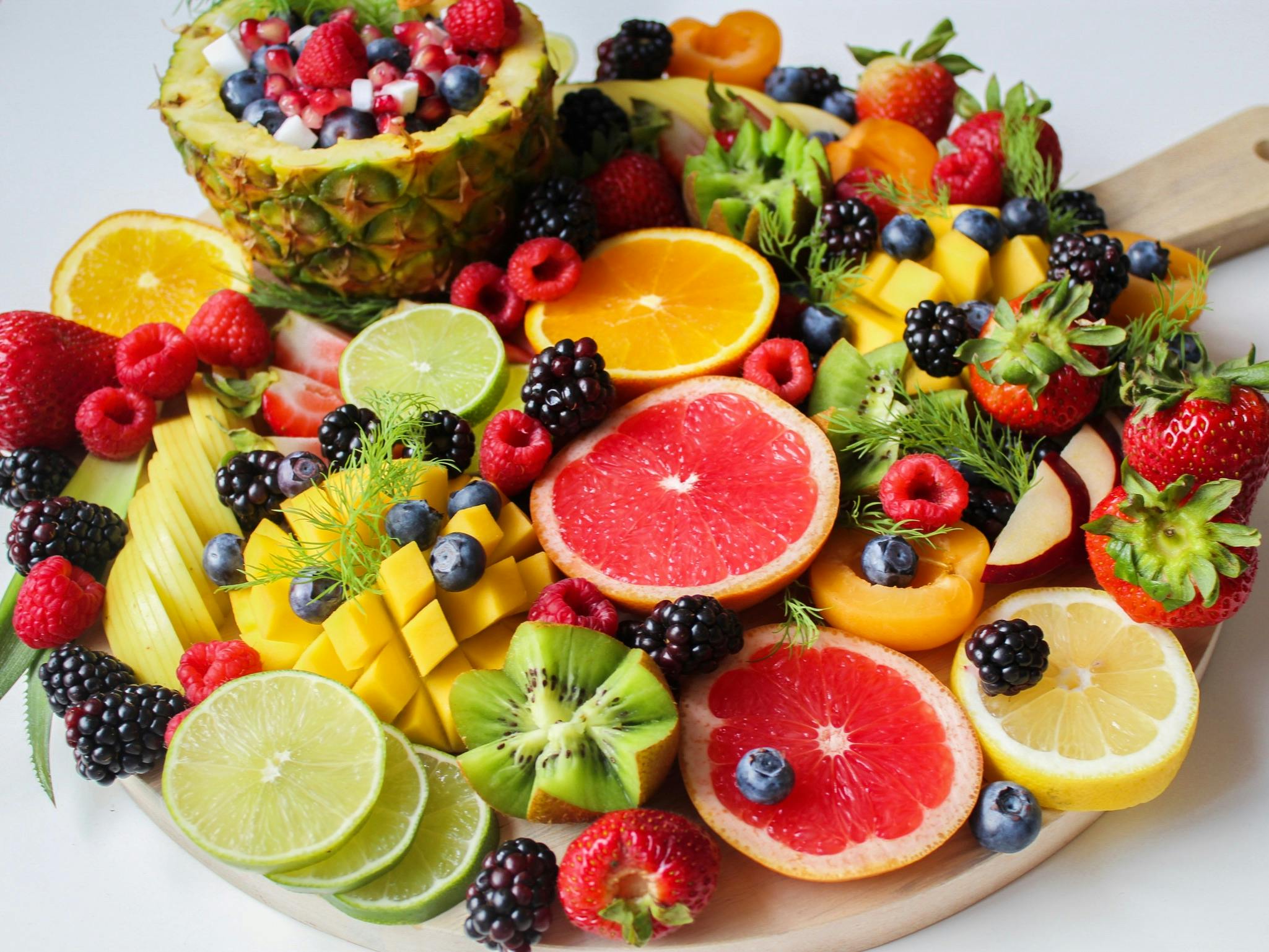
Berries, grapes, apples, and pomegranates contain polyphenols that promote the growth of beneficial bacteria like Akkermansia muciniphila, which strengthens the gut lining. Green tea polyphenols selectively inhibit pathogenic bacteria while supporting beneficial strains. The bidirectional relationship means that specific bacteria are needed to unlock polyphenols’ health benefits, while polyphenols feed those same beneficial microbes.
🚫 Dietary Patterns That Harm Microbial Diversity
Just as certain foods nurture gut health, others can disrupt the delicate microbial balance. Understanding these negative influences helps you minimize dietary practices that compromise your microbiome.
Ultra-Processed Foods and Additives
Diets high in ultra-processed foods—those containing ingredients rarely used in home cooking—consistently correlate with reduced microbial diversity. Emulsifiers found in processed foods can disrupt the mucus layer protecting your intestinal lining, allowing bacteria to reach epithelial cells and trigger inflammation. Artificial sweeteners may alter glucose metabolism by changing gut bacterial composition, potentially contributing to metabolic disorders.
Studies show that people consuming predominantly ultra-processed diets have gut microbiomes that resemble those seen in inflammatory conditions. These foods typically lack fiber and phytonutrients while containing excessive salt, sugar, and unhealthy fats—a perfect storm for microbial imbalance.
Low Dietary Diversity
Eating the same limited foods repeatedly restricts the variety of substrates available to different bacterial species. Research demonstrates that people who consume more than 30 different plant foods weekly have significantly more diverse microbiomes than those eating fewer than 10 plant varieties. This doesn’t mean 30 different meals—it includes herbs, spices, nuts, seeds, grains, legumes, fruits, and vegetables in all their forms.
Excessive Animal Fat and Red Meat
While moderate amounts of lean meat fit within a balanced diet, excessive consumption of red and processed meats correlates with reduced beneficial bacteria and increased inflammation-promoting species. High-fat diets stimulate bile production, and certain bacteria convert bile acids into compounds that may damage DNA and increase colorectal cancer risk.
The issue isn’t protein itself but rather the absence of plant foods that typically accompany meat-heavy dietary patterns. Diets centered around animal products often lack the fiber and phytonutrients essential for microbial diversity.
The Mediterranean and Plant-Based Advantage 🌿
Certain dietary patterns consistently emerge as microbiome superstars. The Mediterranean diet, rich in vegetables, fruits, legumes, whole grains, olive oil, and moderate fish consumption, repeatedly demonstrates superior gut health outcomes. This eating pattern provides abundant fiber, polyphenols, and omega-3 fatty acids while limiting red meat and processed foods.
Studies comparing Mediterranean diet followers to those eating Western-style diets reveal stark microbiome differences. Mediterranean dieters harbor more bacteria that produce anti-inflammatory compounds and fewer species associated with obesity and metabolic dysfunction. The diversity of plant foods appears particularly important—the diet naturally incorporates dozens of different plant species weekly.
Plant-based and vegetarian diets also show distinct microbiome signatures, with increased fiber-fermenting bacteria and beneficial metabolite production. However, the quality matters tremendously. A plant-based diet built on refined grains and processed vegan products won’t deliver the same benefits as one centered on whole plant foods.
Practical Strategies to Boost Your Microbial Diversity
Translating microbiome science into everyday eating doesn’t require perfection or extreme dietary restrictions. Small, consistent changes accumulate to create meaningful shifts in your gut ecosystem.
Increase Plant Variety Gradually
Challenge yourself to incorporate new plant foods each week. Add different herbs to familiar dishes, try exotic fruits at farmers markets, experiment with ancient grains like quinoa or farro, or explore international legume varieties. Each new plant food introduces unique fibers and compounds that feed different bacterial populations.
Prioritize Prebiotic-Rich Foods
Prebiotics are specific fiber types that selectively stimulate beneficial bacteria growth. Foods particularly rich in prebiotics include:
- Garlic, onions, and leeks (contain inulin)
- Asparagus and Jerusalem artichokes (rich in fructans)
- Bananas, especially slightly green ones (resistant starch)
- Oats and barley (beta-glucan fibers)
- Apples and berries (pectin and polyphenols)
- Chicory root and dandelion greens (inulin-type fructans)
Make Fermented Foods a Daily Habit
Start small if fermented foods are new to you. Add a spoonful of sauerkraut to your lunch, drink a small glass of kefir with breakfast, or snack on yogurt with berries. As your palate adjusts, gradually increase portions and variety. Aim for at least one serving of fermented foods daily, working up to two or three for maximum benefit.
Time Your Eating Window
Emerging research suggests that your gut microbiome follows circadian rhythms, with bacterial populations fluctuating throughout the day. Extended overnight fasting periods (12-14 hours) may support healthy microbial rhythms and diversity. This doesn’t require extreme intermittent fasting—simply finishing dinner by 7 PM and breakfast by 8 AM provides adequate fasting time.
💊 Antibiotics, Medications, and Microbiome Recovery
Antibiotics save lives but can devastate gut microbial diversity, sometimes with effects lasting months or years. While sometimes medically necessary, unnecessary antibiotic use should be avoided. When antibiotics are required, supporting your microbiome becomes especially important.
During and after antibiotic treatment, focus intensely on fermented foods, diverse fiber sources, and prebiotic-rich vegetables. Some research suggests that specific probiotic strains may reduce antibiotic-associated diarrhea and help speed microbiome recovery, though results vary by antibiotic type and probiotic strain.
Other medications also affect gut bacteria. Proton pump inhibitors for heartburn, metformin for diabetes, and even common pain relievers can alter microbial composition. While you shouldn’t discontinue prescribed medications, awareness allows you to compensate through dietary strategies that support microbial resilience.
The Gut-Brain Connection: How Microbes Influence Mental Health 🧠
Perhaps the most fascinating aspect of gut health involves the bidirectional communication between your digestive system and brain. The gut-brain axis consists of neural, hormonal, and immunological signaling pathways that allow gut bacteria to influence mood, cognition, and mental health.
Your gut microbes produce neurotransmitters including serotonin, dopamine, and GABA. In fact, approximately 90% of the body’s serotonin is produced in the gut. These chemical messengers can influence brain function through the vagus nerve and bloodstream. Additionally, gut bacteria produce metabolites that either promote or reduce inflammation in the brain.
Clinical studies have found associations between gut dysbiosis and depression, anxiety, and even neurodegenerative conditions. Interventional trials show that probiotic supplementation or dietary improvements can reduce anxiety symptoms and improve mood in some individuals. While gut health alone won’t cure mental illness, it represents an important and often overlooked component of mental wellness.
Personalized Nutrition: Why One Diet Doesn’t Fit All
Your unique microbiome composition means you may respond differently to foods than others do. Groundbreaking research has revealed that blood sugar responses to identical foods vary dramatically between individuals, largely due to differences in gut bacteria. One person might experience blood sugar spikes from bananas but not cookies, while another shows the opposite pattern.
This personalized response extends beyond blood sugar to inflammation, satiety, and digestive symptoms. While general principles—eat more plants, choose whole foods, include fermented options—apply broadly, fine-tuning your diet based on your body’s responses optimizes results.
Pay attention to how specific foods affect your energy, digestion, mood, and sleep. Keep a food and symptom journal to identify patterns. Some people thrive on high-fiber diets immediately, while others need gradual increases to avoid bloating. Your optimal diet considers both scientific evidence and your individual biochemistry.
🔬 Testing Your Microbiome: Worth It or Hype?
Commercial gut microbiome testing services have proliferated, promising personalized dietary insights based on stool sample analysis. These tests identify which bacterial species inhabit your gut and their relative abundances, often with dietary recommendations.
While these tests provide interesting information, their clinical utility remains debated. Microbiome science evolves rapidly, and interpretations that seem meaningful today may be revised tomorrow. The tests can be expensive, and optimal bacterial profiles aren’t definitively established for all health conditions.
That said, microbiome testing might benefit people with specific digestive issues, those curious about their unique microbial makeup, or individuals wanting objective feedback on dietary interventions. For most people, however, following evidence-based dietary principles provides gut health benefits without testing costs.
Building Your Gut-Healthy Eating Plan
Creating sustainable habits matters more than perfect execution. Start by assessing your current dietary patterns and identifying one or two changes that feel manageable. Perhaps you’ll add a serving of vegetables to breakfast, swap afternoon chips for a handful of nuts and berries, or try making homemade sauerkraut.
Plan your week around diverse plant foods. When grocery shopping, challenge yourself to select at least one unfamiliar vegetable, whole grain, or legume. Experiment with new recipes that incorporate fermented foods—Korean bibimbap with kimchi, Greek bowls with tzatziki, or smoothies blended with kefir.
Remember that your gut bacteria can adapt within days to dietary changes, but establishing stable, diverse microbial communities requires consistency over weeks and months. Be patient with yourself and recognize that occasional indulgences won’t derail long-term progress. What matters most is your predominant dietary pattern, not individual meals.

Your Microbiome as a Lifelong Partner 🤝
Understanding your gut microbiome as a dynamic, responsive ecosystem rather than a fixed entity empowers you to actively shape your health through daily choices. The foods you select create ripple effects throughout your body—influencing inflammation, immune function, metabolism, and even mental clarity.
The science of gut health will continue evolving, revealing new connections between diet, microbes, and disease. Yet the fundamental principles remain remarkably consistent: prioritize plant diversity, include fermented foods regularly, limit ultra-processed products, and maintain variety in your dietary choices.
Your gut microbiome represents a powerful ally in your health journey. By nourishing it intentionally through thoughtful food choices, you invest in not just digestive comfort but comprehensive well-being that extends far beyond your intestines. The transformation begins with your next meal—make it count by feeding both yourself and the trillions of beneficial microbes that support your vitality every single day.