Your immune system works tirelessly every day to protect you from countless threats, and the food you eat plays a crucial role in supporting this remarkable defense network.

Building immune resilience isn’t about quick fixes or miracle cures—it’s about consistent, intentional nutrition that nourishes your body at the cellular level. When you understand how to plan meals that strengthen your natural defenses, you create a foundation for vibrant health that can withstand seasonal challenges, stress, and environmental factors. This comprehensive guide will walk you through the science-backed strategies for immune-resilience meal planning that transforms your relationship with food and wellness.
🛡️ Understanding Your Immune System’s Nutritional Needs
Your immune system is an intricate network of cells, tissues, and organs that require specific nutrients to function optimally. Unlike other bodily systems, your immune defenses depend heavily on a diverse array of vitamins, minerals, antioxidants, and phytonutrients that must come primarily from your diet.
The immune system has two main branches: innate immunity, which provides immediate but general protection, and adaptive immunity, which develops targeted responses to specific threats. Both branches require adequate nutrition to maintain their effectiveness. When your diet lacks essential nutrients, your immune cells cannot replicate properly, communicate effectively, or mount appropriate responses to pathogens.
Research consistently shows that micronutrient deficiencies—even marginal ones—can significantly impair immune function. Vitamins A, C, D, E, and the B-complex vitamins all play distinct roles in immune health. Meanwhile, minerals like zinc, selenium, iron, and copper serve as cofactors for enzymatic reactions that power immune responses.
The Foundation: Macronutrients That Support Immunity
Before diving into specific immune-boosting foods, it’s essential to understand how the three macronutrients—proteins, fats, and carbohydrates—contribute to immune resilience.
Protein: Building Blocks of Immune Cells
Protein provides the amino acids necessary for producing antibodies, immune signaling molecules, and new immune cells. Without adequate protein intake, your body cannot mount effective immune responses. Adults should aim for approximately 0.8 to 1.2 grams of protein per kilogram of body weight daily, with higher amounts needed during illness or recovery.
Quality matters as much as quantity. Complete proteins containing all essential amino acids come from animal sources like fish, poultry, eggs, and dairy, as well as plant combinations like beans with rice or hummus with whole grain pita.
Healthy Fats: Inflammation Modulators
Contrary to outdated dietary advice, fats are essential for immune health. The key is choosing the right types. Omega-3 fatty acids found in fatty fish, walnuts, flaxseeds, and chia seeds help regulate inflammation—a critical immune process. When inflammation becomes chronic due to poor diet, it exhausts immune resources and increases disease risk.
Meanwhile, omega-6 fatty acids, abundant in many vegetable oils and processed foods, can promote inflammation when consumed in excess. An ideal omega-6 to omega-3 ratio is approximately 4:1 or lower, yet typical Western diets often reach ratios of 15:1 or higher.
Smart Carbohydrates: Fuel and Fiber
Complex carbohydrates provide sustained energy for immune cells while delivering fiber that feeds beneficial gut bacteria. Your gut microbiome trains and regulates approximately 70% of your immune system, making fiber intake crucial for immune resilience.
Aim for at least 25-35 grams of fiber daily from vegetables, fruits, whole grains, legumes, nuts, and seeds. This fiber diversity feeds different bacterial species, creating a robust and balanced microbiome.
🥗 Immune-Resilience Meal Planning Strategies
Effective meal planning for immune health requires a systematic approach that ensures nutritional variety, adequate nutrient density, and practical sustainability. Here’s how to structure your meal planning for maximum immune support.
The Rainbow Principle: Eating Colorful Plants
Different colored fruits and vegetables contain distinct phytonutrients with unique immune-supporting properties. By eating across the color spectrum, you ensure comprehensive phytonutrient intake:
- Red foods (tomatoes, red peppers, strawberries): Rich in lycopene and anthocyanins that support cardiovascular health and reduce oxidative stress
- Orange and yellow foods (carrots, sweet potatoes, citrus): Packed with beta-carotene and vitamin C for immune cell production
- Green foods (leafy greens, broccoli, kiwi): Contain chlorophyll, folate, and vitamin K that support detoxification and cellular health
- Blue and purple foods (blueberries, eggplant, purple cabbage): High in anthocyanins with powerful anti-inflammatory effects
- White and tan foods (garlic, onions, mushrooms): Provide allicin and selenium that enhance immune surveillance
Weekly Planning Template for Immune Resilience
Structure your weekly meal plan around these core principles to maintain consistent immune support without overwhelming complexity. Start by designating themes for different days to simplify decision-making while ensuring variety.
Consider organizing your week with themed days: Meatless Monday featuring legume-based proteins, Fish Tuesday for omega-3s, Colorful Wednesday emphasizing vegetable variety, Fermented Thursday incorporating probiotic foods, and Flexibility Friday through Sunday allowing seasonal and preference-based choices.
Power Foods That Strengthen Your Immune Defenses
Certain foods demonstrate particularly strong immune-supporting properties based on scientific research. Incorporating these regularly into your meal plans provides concentrated nutritional benefits.
Probiotic and Fermented Foods
Yogurt, kefir, sauerkraut, kimchi, kombucha, miso, and tempeh introduce beneficial bacteria that strengthen gut barrier function and train immune cells. Aim to include at least one serving of fermented foods daily. The bacteria in these foods produce short-chain fatty acids that directly communicate with immune cells, promoting balanced inflammatory responses.
Allium Vegetables: Nature’s Immune Activators
Garlic, onions, leeks, and shallots contain organosulfur compounds that stimulate immune cell activity and possess antimicrobial properties. Crushing or chopping garlic and letting it rest for 10 minutes before cooking activates allicin, its most potent immune-supporting compound.
Mushrooms: Beta-Glucan Powerhouses
Shiitake, maitake, reishi, and even common button mushrooms contain beta-glucans—complex carbohydrates that enhance immune cell communication and activity. Regular mushroom consumption has been associated with improved immune markers and reduced inflammation in multiple studies.
Cruciferous Vegetables: Detoxification Supporters
Broccoli, cauliflower, Brussels sprouts, and kale contain sulforaphane and indole-3-carbinol, compounds that support the body’s detoxification systems. These processes help eliminate substances that could otherwise burden the immune system.
Sample Immune-Resilience Meal Plans
Translating principles into practice becomes easier with concrete examples. Here are three days of immune-supporting meal plans that demonstrate how to incorporate the strategies discussed.
Day One: Anti-Inflammatory Focus
Breakfast: Overnight oats made with rolled oats, chia seeds, almond milk, topped with blueberries, walnuts, and a drizzle of raw honey. This combination provides fiber, omega-3s, antioxidants, and prebiotic compounds.
Lunch: Wild-caught salmon over mixed greens with avocado, cherry tomatoes, cucumber, and pumpkin seeds, dressed with olive oil and lemon. This meal delivers omega-3 fatty acids, vitamins A and C, healthy fats, and zinc.
Dinner: Turmeric-ginger chicken stir-fry with broccoli, bell peppers, snap peas, and brown rice. Turmeric’s curcumin is a potent anti-inflammatory compound enhanced by black pepper in the dish.
Snacks: Greek yogurt with a handful of berries; carrot sticks with hummus.
Day Two: Probiotic and Prebiotic Emphasis
Breakfast: Smoothie bowl with kefir, banana, spinach, ground flaxseed, topped with granola and sliced kiwi. This combination feeds both you and your beneficial gut bacteria.
Lunch: Miso soup with tofu, seaweed, mushrooms, and scallions, served with a side of kimchi and brown rice. Multiple fermented foods provide diverse probiotic strains.
Dinner: Grass-fed beef with roasted sweet potato, sauerkraut, and sautéed kale with garlic. The combination of protein, prebiotic fiber, probiotics, and immune-supporting vegetables creates a complete immune-resilience meal.
Snacks: Apple slices with almond butter; kombucha.
Day Three: Antioxidant Abundance
Breakfast: Vegetable omelet with tomatoes, spinach, onions, and mushrooms, served with whole grain toast and a side of mixed berries.
Lunch: Lentil and vegetable soup with carrots, celery, tomatoes, and leafy greens, accompanied by a mixed green salad with citrus vinaigrette.
Dinner: Baked cod with herbs, roasted Brussels sprouts with garlic, quinoa pilaf with dried cranberries and pecans.
Snacks: Dark chocolate (70% cacao or higher) with a handful of almonds; red bell pepper strips with guacamole.
💪 Lifestyle Factors That Complement Immune-Resilience Nutrition
Meal planning exists within a broader wellness context. Your immune system responds to multiple lifestyle factors that either support or undermine the nutritional foundation you’re building.
Hydration: The Forgotten Immune Essential
Water facilitates every immune function, from producing lymph that carries white blood cells to maintaining mucous membranes that trap pathogens. Aim for approximately half your body weight in ounces of water daily, adjusted for activity level and climate.
Herbal teas like green tea, echinacea, elderberry, and ginger tea provide hydration plus additional immune-supporting compounds. Avoid excessive caffeine and alcohol, which can dehydrate and suppress immune function.
Sleep: When Immune Repair Happens
During deep sleep, your body produces and distributes immune cells, creates antibodies, and performs cellular repairs. Chronic sleep deprivation dramatically reduces immune function. Prioritize 7-9 hours of quality sleep by maintaining consistent sleep-wake times and creating a restful environment.
Stress Management: Protecting Your Immune Investment
Chronic stress elevates cortisol levels, which suppresses immune function over time. The most nutrient-dense meal plan cannot overcome the immune burden of unmanaged stress. Incorporate stress-reduction practices like meditation, yoga, nature walks, or deep breathing exercises into your daily routine.
🍽️ Practical Meal Prep Strategies for Busy Lifestyles
The best meal plan is one you’ll actually follow. These practical strategies make immune-resilience eating sustainable even with demanding schedules.
Dedicate 2-3 hours weekly to batch cooking staples: cook whole grains in large quantities, roast several trays of vegetables, prepare proteins in various forms, and wash and chop raw vegetables. Store these components in clear containers so you can quickly assemble nutritious meals throughout the week.
Invest in quality storage containers that keep foods fresh and make meal assembly convenient. Mason jars work excellently for overnight oats, salads, and smoothie prep. Having the right tools removes barriers to healthy eating.
Keep your pantry stocked with immune-supporting staples: canned wild salmon and sardines, dried legumes, whole grains, nuts, seeds, olive oil, herbs, spices, and fermented condiments. With these foundations available, you can create nutritious meals even when fresh shopping is delayed.
Supplements: When Food Isn’t Enough
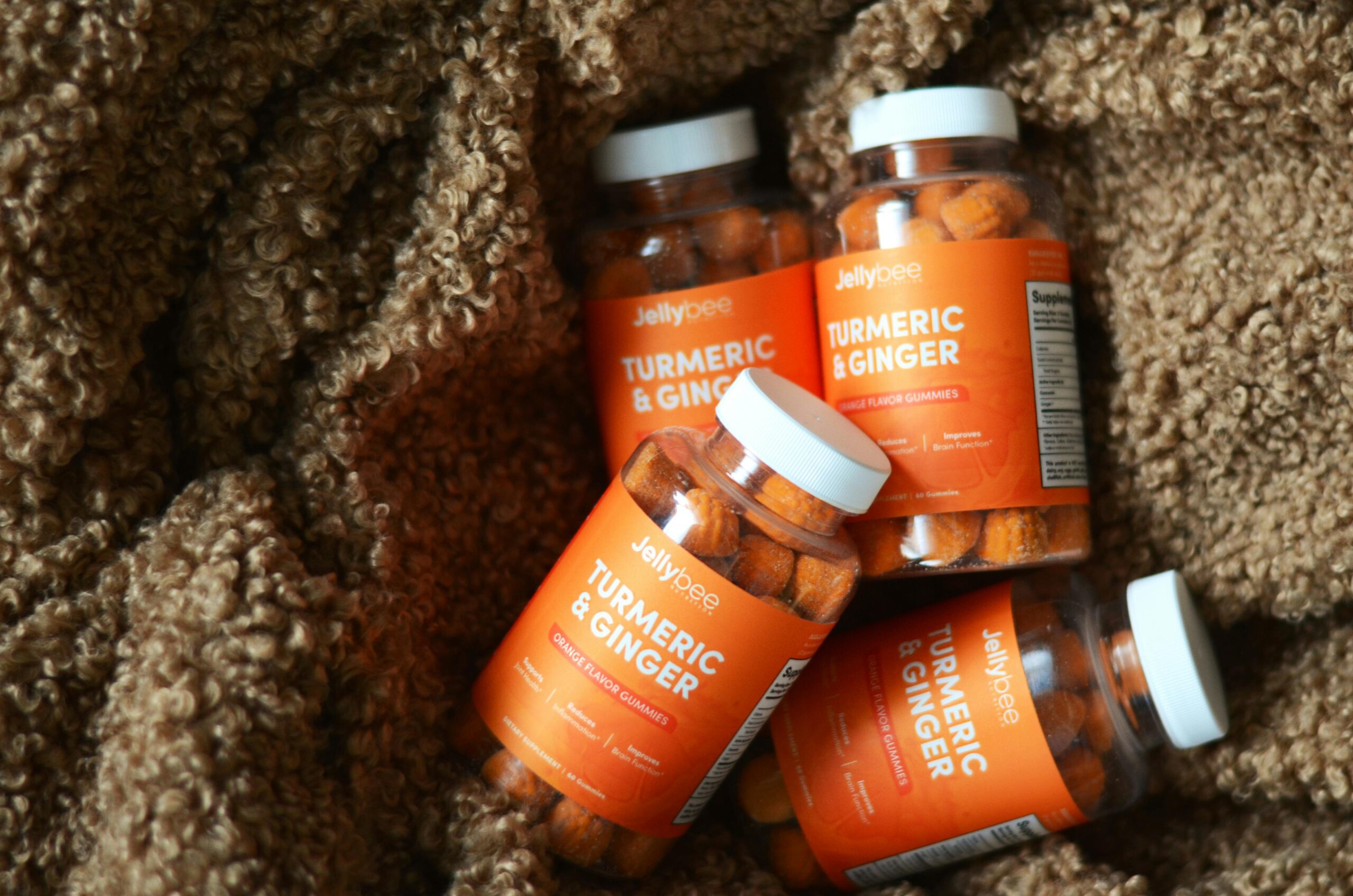
While whole foods should always be your primary source of nutrition, certain circumstances may warrant targeted supplementation. Common scenarios include geographical limitations on sun exposure (vitamin D), dietary restrictions (vitamin B12 for vegans), or diagnosed deficiencies confirmed by lab testing.
Before adding supplements, consult with a healthcare provider who can assess your individual needs through proper testing. Quality matters tremendously in supplements—look for third-party tested products from reputable manufacturers.
The most commonly beneficial immune supplements include vitamin D3 (especially in winter months), vitamin C during high-stress periods, zinc (particularly when illness is prevalent), and a quality probiotic containing multiple bacterial strains.
🌟 Creating Your Personalized Immune-Resilience Plan
Everyone’s immune system has unique needs based on genetics, health history, lifestyle, and environment. Use the principles outlined here as a foundation, then customize based on your individual circumstances.
Begin by assessing your current eating patterns. Keep a food journal for one week, noting what you eat, when, and how you feel afterward. Identify gaps in nutrition—perhaps you’re getting insufficient vegetables, protein, or fermented foods. Set specific, measurable goals for improvement.
Implement changes gradually rather than overhauling everything overnight. Add one new immune-supporting food each week. Swap one processed snack for a whole food option. These small, consistent changes create sustainable habits that compound over time.
Monitor how dietary changes affect your overall wellness. Do you have more consistent energy? Are you recovering from workouts more efficiently? Do you notice fewer seasonal illnesses? These subjective markers often reflect improved immune function before objective measures would show changes.

Sustaining Immune Resilience Long-Term
Building immune resilience through nutrition is a marathon, not a sprint. The immune system responds to consistent patterns rather than occasional perfect days followed by periods of nutritional neglect.
Practice the 80/20 principle: aim for nutrient-dense, immune-supporting choices 80% of the time, allowing flexibility for social occasions, travel, and simple enjoyment 20% of the time. This approach prevents the all-or-nothing thinking that often derails wellness efforts.
Stay curious and keep learning. Nutritional science evolves, and your body’s needs change with age, activity level, and life circumstances. Periodically reassess your meal planning strategies to ensure they still serve your current immune health goals.
Remember that food is just one pillar of immune health, working synergistically with sleep, stress management, physical activity, and social connection. When you address all these factors together, you create a comprehensive foundation for vibrant health and optimal wellness that extends far beyond simply avoiding illness—you cultivate the energy, resilience, and vitality to fully engage with life.
Your immune system is your most valuable health asset, and you possess the power to strengthen it through daily choices. By implementing these immune-resilience meal planning strategies, you’re investing in both your immediate well-being and your long-term health trajectory. Start today with one small change, and watch as consistent, intentional nutrition transforms your body’s natural defenses into an even more formidable fortress of wellness.