Your immune system is your body’s most sophisticated defense mechanism, constantly working behind the scenes to protect you from harmful pathogens, viruses, and diseases.

In today’s world, where health challenges seem increasingly complex, understanding how to naturally enhance your immune function through dietary choices has never been more crucial. The emerging field of dietary immunomodulation offers scientifically-backed strategies that empower you to take control of your health through the foods you consume daily. Rather than relying solely on supplements or pharmaceutical interventions, you can harness the incredible power of nutrition to optimize your immune response and build lasting resilience from within.
🧬 Understanding Dietary Immunomodulation: The Foundation of Natural Immunity
Dietary immunomodulation refers to the process by which specific nutrients and bioactive compounds found in foods influence and regulate immune system function. This fascinating interplay between nutrition and immunity operates at the cellular level, affecting everything from inflammatory responses to antibody production. When you consume immune-supporting foods, you’re essentially providing your body with the raw materials it needs to maintain a balanced, responsive immune defense system.
The human immune system comprises two primary components: innate immunity, which provides immediate but non-specific protection, and adaptive immunity, which develops targeted responses to specific threats. Both systems require adequate nutrition to function optimally. Micronutrients like vitamins A, C, D, E, and minerals such as zinc, selenium, and iron play critical roles in immune cell development, function, and communication.
What makes dietary immunomodulation particularly powerful is its ability to influence gene expression through epigenetic mechanisms. Certain food compounds can actually turn genes on or off, affecting how your immune cells behave and respond to threats. This means your daily food choices are quite literally programming your immune system’s effectiveness.
🥗 Essential Immune-Boosting Nutrients and Their Food Sources
Understanding which nutrients support immune function and where to find them is fundamental to building a naturally robust immune system. Let’s explore the key players in dietary immunomodulation and the best food sources for each.
Vitamin C: The Classic Immune Defender
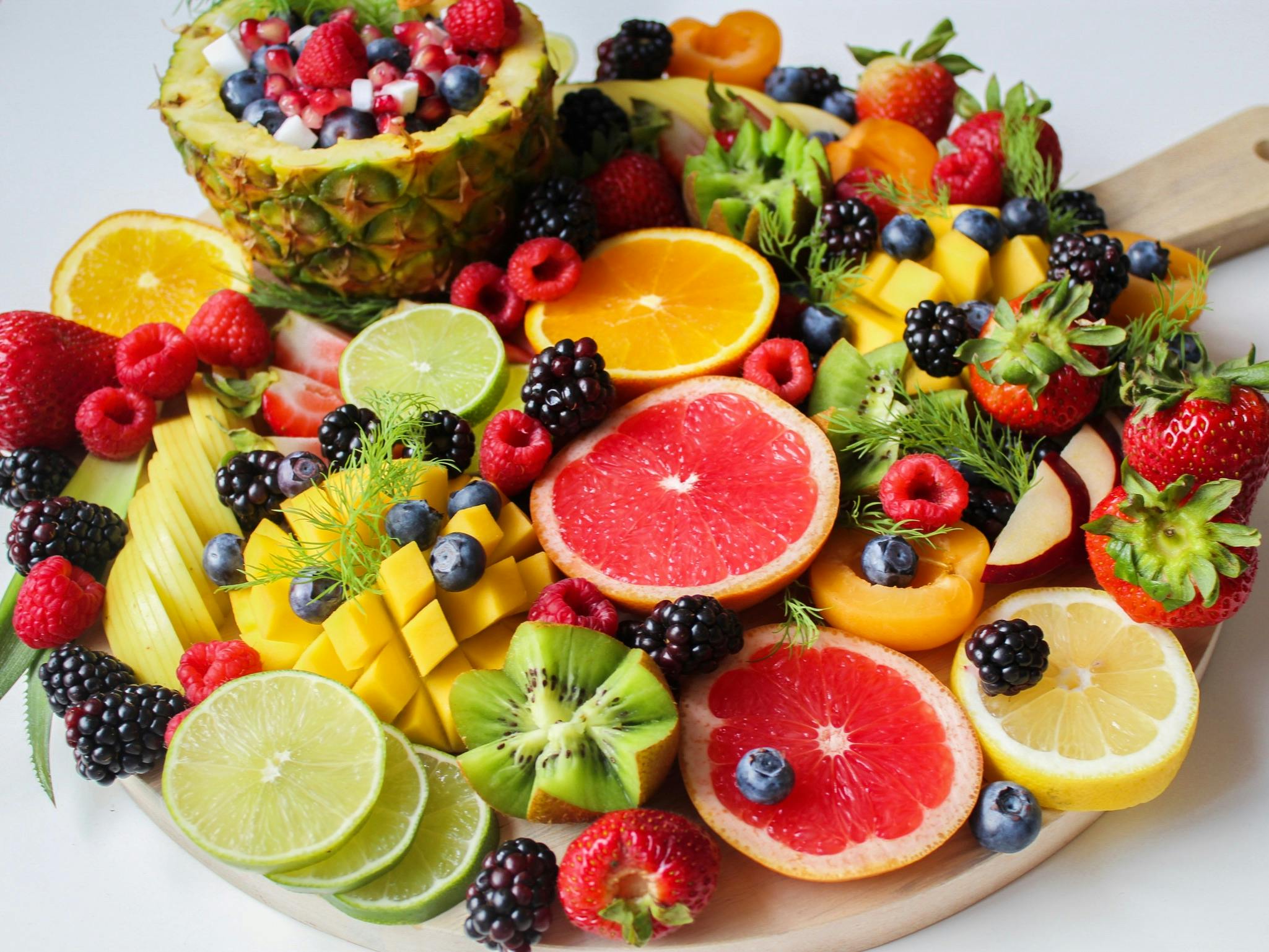
Vitamin C stimulates the production and function of white blood cells, particularly lymphocytes and phagocytes, which help protect your body against infection. This powerful antioxidant also supports the skin’s barrier function and helps wounds heal faster. Citrus fruits, bell peppers, strawberries, broccoli, Brussels sprouts, and kiwi are all excellent sources.
Vitamin D: The Sunshine Vitamin with Immune Intelligence
Vitamin D receptors are found throughout immune cells, and this nutrient plays a crucial role in both innate and adaptive immune responses. It helps regulate inflammatory responses and enhances the pathogen-fighting effects of monocytes and macrophages. While sunlight exposure stimulates vitamin D production, dietary sources include fatty fish like salmon and mackerel, egg yolks, and fortified dairy products.
Zinc: The Mineral Master Regulator
Zinc is essential for immune cell development and communication, and even mild deficiency can significantly impair immune function. This mineral is particularly important for maintaining the integrity of your mucosal barriers and skin. Rich sources include oysters, beef, pumpkin seeds, lentils, chickpeas, and cashews.
Selenium: The Antioxidant Amplifier
Selenium plays a critical role in antioxidant defense systems and helps regulate excessive immune responses that can lead to inflammation. Brazil nuts are the most concentrated source, with just two nuts providing your daily requirement. Other sources include seafood, organ meats, and whole grains.
🌿 Phytonutrients: Nature’s Immune Modulators
Beyond vitamins and minerals, plant compounds called phytonutrients offer remarkable immune-supporting properties. These bioactive substances give plants their colors, flavors, and natural pest resistance, and they provide similar protective benefits when consumed by humans.
Polyphenols, found abundantly in berries, green tea, dark chocolate, and extra virgin olive oil, exhibit powerful anti-inflammatory and antioxidant properties. They help regulate immune cell signaling and can reduce chronic inflammation that suppresses immune function. The catechins in green tea, for instance, have been shown to enhance T-cell function and support antiviral immunity.
Carotenoids, the pigments responsible for the orange, red, and yellow colors in fruits and vegetables, convert to vitamin A in the body and support the health of mucous membranes, your first line of defense against pathogens. Beta-carotene from sweet potatoes, carrots, and butternut squash is particularly beneficial for maintaining respiratory and digestive tract immunity.
Glucosinolates, found in cruciferous vegetables like broccoli, cauliflower, and kale, break down into compounds that support detoxification pathways and help regulate immune responses. These vegetables also contain sulforaphane, which activates cellular antioxidant pathways that protect immune cells from oxidative damage.
🦠 The Gut-Immune Connection: Your Microbiome Matters
Approximately 70% of your immune system resides in your gut, making the health of your digestive tract absolutely central to overall immune function. The trillions of microorganisms living in your intestines, collectively known as your microbiome, play a critical role in training and regulating immune responses.
Beneficial gut bacteria help strengthen the intestinal barrier, preventing harmful substances from entering your bloodstream. They also produce short-chain fatty acids like butyrate, which have anti-inflammatory properties and support the development of regulatory T-cells that prevent autoimmune reactions.
Probiotics, the beneficial live bacteria found in fermented foods, can directly influence immune function. Yogurt, kefir, sauerkraut, kimchi, miso, and kombucha all provide diverse strains of beneficial bacteria. Different strains offer different benefits, so consuming a variety of fermented foods is ideal.
Prebiotics, the dietary fibers that feed beneficial gut bacteria, are equally important. These include inulin from chicory root, asparagus, and Jerusalem artichokes; resistant starch from cooled potatoes and green bananas; and oligosaccharides from onions, garlic, and leeks. A prebiotic-rich diet helps your beneficial bacteria thrive and multiply.
🍄 Functional Foods with Immune-Modulating Superpowers
Certain foods have earned recognition as particularly powerful immune modulators based on extensive research demonstrating their specific effects on immune function.
Medicinal Mushrooms: Nature’s Immune Enhancers
Mushrooms like shiitake, maitake, reishi, and turkey tail contain beta-glucans, complex polysaccharides that activate various immune cells including macrophages, natural killer cells, and neutrophils. These compounds help your immune system identify and respond to threats more effectively. Regular consumption of culinary medicinal mushrooms can provide meaningful immune support.
Garlic: The Antimicrobial Ally
Garlic contains allicin and other sulfur compounds that exhibit antimicrobial properties and enhance the disease-fighting response of white blood cells. Studies show that regular garlic consumption can reduce the frequency and duration of common colds. For maximum benefit, crush or chop garlic and let it sit for 10 minutes before cooking to allow beneficial compounds to form.
Turmeric: The Golden Anti-Inflammatory
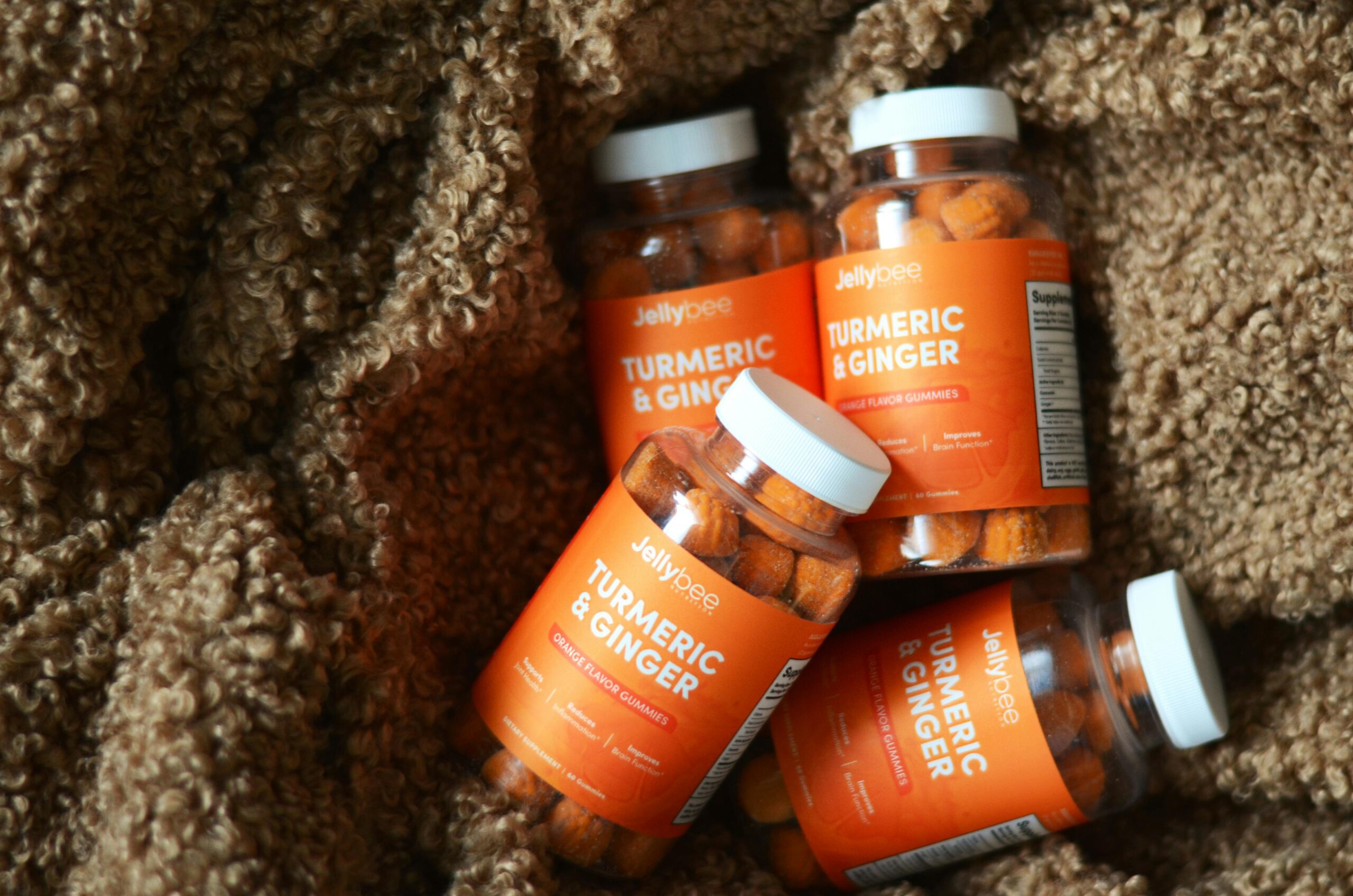
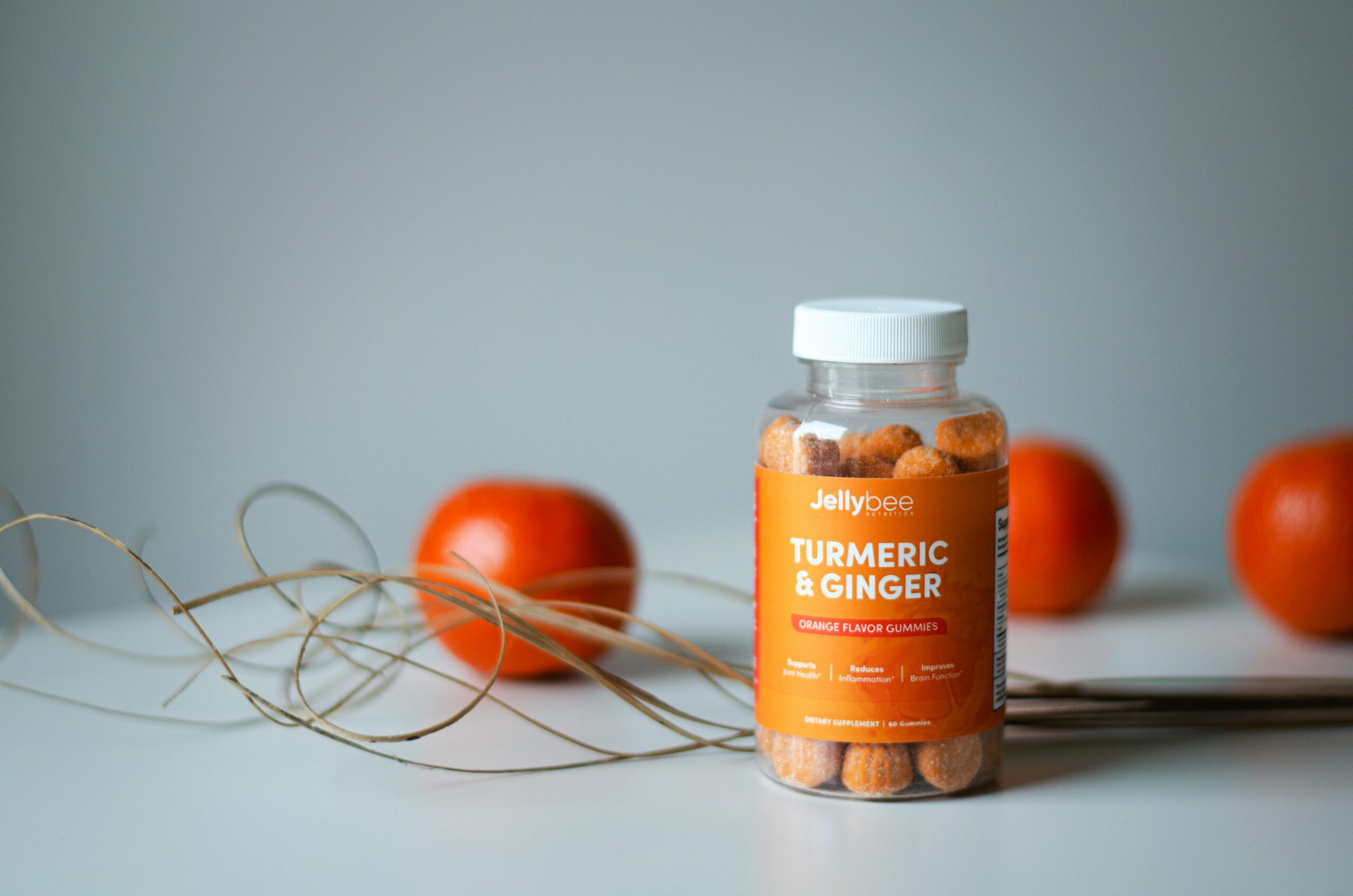
Curcumin, the active compound in turmeric, modulates immune function by regulating inflammatory cytokines and enhancing antibody responses. This bright yellow spice has been shown to boost immune cell activity and support balanced immune responses. Combining turmeric with black pepper increases curcumin absorption by up to 2000%.
Ginger: The Warming Immune Supporter
Ginger contains gingerol and other bioactive compounds that have antimicrobial and anti-inflammatory effects. It helps support respiratory immunity and can reduce inflammation that might otherwise suppress immune function. Both fresh and dried ginger offer benefits, though fresh ginger contains higher levels of certain immune-active compounds.
💧 Hydration and Sleep: The Often-Overlooked Immune Foundations
While focusing on specific foods is important, two fundamental lifestyle factors dramatically impact how well dietary immunomodulation can work: hydration and sleep.
Adequate hydration is essential for optimal immune function because water helps produce lymph, which carries white blood cells and nutrients throughout your body. Dehydration can impair the production of immune cells and reduce your body’s ability to eliminate toxins. Aim for at least eight glasses of water daily, increasing intake during illness or physical activity.
Sleep is when your immune system does much of its maintenance and repair work. During sleep, your body produces and distributes key immune cells like cytokines, T-cells, and interleukin 12. Sleep deprivation significantly reduces natural killer cell activity and increases inflammatory markers. Prioritizing 7-9 hours of quality sleep nightly is non-negotiable for robust immunity.
🍽️ Practical Strategies for Implementing Dietary Immunomodulation
Understanding immune-supporting nutrition is valuable, but implementation is where real benefits occur. Here are practical strategies to translate this knowledge into daily habits that strengthen your immune system naturally.
Start each day with a nutrient-dense breakfast that includes protein, healthy fats, and fiber. A veggie-packed omelet with turmeric-spiced sweet potato hash provides multiple immune-supporting nutrients in one satisfying meal. Greek yogurt with berries, nuts, and a drizzle of honey offers probiotics, antioxidants, and antimicrobial compounds.
Build colorful plates for lunch and dinner, aiming to include at least three different colored vegetables with each meal. This simple visual strategy ensures you’re consuming a diverse array of phytonutrients. Think of your plate as a rainbow: red tomatoes and peppers, orange carrots and squash, yellow bell peppers, green leafy vegetables and broccoli, and purple cabbage or eggplant.
Keep immune-supporting snacks readily available. Pre-cut vegetables with hummus, mixed nuts and seeds, fruit with nut butter, and hard-boiled eggs are all convenient options that provide immune-essential nutrients. Having these prepared in advance removes barriers to healthy choices when hunger strikes.
Incorporate immune-supporting herbs and spices into everyday cooking. Add garlic and ginger to stir-fries, sprinkle turmeric into soups and stews, use oregano and rosemary on roasted vegetables, and include cinnamon in morning oatmeal. These flavor-enhancing additions provide concentrated immune benefits without requiring special preparations.
⚠️ What to Minimize: Foods That Compromise Immune Function
Just as certain foods support immunity, others can suppress or dysregulate immune function. Being aware of these allows you to make informed choices that protect your immune investment.
Excessive sugar consumption impairs white blood cell function and promotes inflammation. Studies show that consuming 100 grams of sugar (about the amount in two cans of soda) can reduce white blood cell effectiveness by up to 50% for several hours. Minimizing added sugars and choosing whole food sources of carbohydrates helps maintain optimal immune function.
Highly processed foods often contain additives, preservatives, and inflammatory oils that can disrupt gut health and promote systemic inflammation. Trans fats, in particular, interfere with immune cell membrane function and should be avoided entirely. Focus on whole, minimally processed foods whenever possible.
Excessive alcohol consumption suppresses immune function by reducing white blood cell production and impairing their pathogen-fighting abilities. It also disrupts gut microbiome balance and can damage the intestinal barrier. If you choose to drink, moderate consumption (one drink per day for women, two for men) minimizes immune suppression.
🎯 Creating Your Personalized Immune-Supporting Nutrition Plan
While general principles of dietary immunomodulation apply broadly, individual needs vary based on age, health status, activity level, and genetic factors. Creating a personalized approach maximizes benefits and ensures sustainability.
Consider keeping a food and symptom journal for two to four weeks. Track what you eat, how you feel, and any changes in illness frequency or recovery time. This helps identify which dietary patterns work best for your unique biology and lifestyle.
If you have specific health conditions or take medications, consult with a healthcare provider or registered dietitian who can offer personalized guidance. Certain nutrients interact with medications, and some conditions require modified approaches to dietary immunomodulation.
Remember that consistency matters more than perfection. You don’t need to overhaul your entire diet overnight. Start by adding one or two immune-supporting foods or habits each week, gradually building a sustainable pattern that becomes second nature.
🌟 The Long-Term Vision: Building Lasting Immune Resilience
Dietary immunomodulation isn’t a quick fix or temporary intervention—it’s a long-term investment in your health that pays dividends throughout your lifetime. The choices you make today influence not only your current immune function but also your future disease risk and healthspan.
Research shows that consistent consumption of immune-supporting dietary patterns reduces the risk of chronic diseases including cardiovascular disease, diabetes, certain cancers, and neurodegenerative conditions. Many of these diseases have inflammatory or immune-related components, making dietary immunomodulation a powerful preventive strategy.
As you age, immune function naturally declines through a process called immunosenescence. However, optimal nutrition can significantly slow this decline and maintain more youthful immune responses well into older age. The Mediterranean diet pattern, rich in vegetables, fruits, whole grains, legumes, nuts, olive oil, and fish, has been extensively studied and consistently shows immune-protective benefits across the lifespan.
Beyond individual health, prioritizing immune-supporting nutrition sets an example for family members and contributes to broader public health. When communities embrace dietary patterns that strengthen immunity, the collective resilience to infectious diseases increases, benefiting everyone.
Your immune system is remarkably responsive to the nutritional environment you create through your food choices. Every meal represents an opportunity to either support or compromise immune function. By embracing the science of dietary immunomodulation and implementing practical strategies to nourish your immune system naturally, you’re taking a powerful proactive step toward a healthier, stronger, more resilient version of yourself. The knowledge is now yours—the next step is consistent, informed action that transforms understanding into lasting wellness.