Your immune system works tirelessly every day to protect you from harmful invaders, and the fuel you provide through nutrition determines how effectively it performs.

In today’s world, where stress levels remain high and exposure to pathogens feels constant, strengthening your body’s natural defenses has never been more critical. The good news? You don’t need expensive supplements or complicated protocols to build robust immunity. Nature has already provided everything your immune system needs to thrive, and it all starts with the nutrients on your plate. Understanding how specific vitamins, minerals, and phytonutrients work synergistically to enhance immune function empowers you to make informed choices that translate into tangible health benefits.
🛡️ Understanding Your Immune System’s Nutritional Needs
Your immune system operates as an incredibly complex network of cells, tissues, and organs that require consistent nutritional support to function optimally. Unlike a single organ, your immunity depends on various components working harmoniously—from your skin barrier to specialized white blood cells that identify and neutralize threats.
Think of your immune system as an army that needs proper supplies. Without adequate nutrition, even the most sophisticated defense mechanisms falter. Micronutrient deficiencies can impair immune responses, making you more susceptible to infections and prolonging recovery times. The relationship between nutrition and immunity isn’t just about preventing illness; it’s about optimizing your body’s ability to respond appropriately to challenges without overreacting, which can lead to inflammation and autoimmune conditions.
Research consistently demonstrates that well-nourished individuals experience fewer infections, recover faster when illness strikes, and maintain better overall health throughout their lifespan. This connection between diet and immunity isn’t coincidental—it’s fundamental biology that we can leverage through intentional food choices.
Vitamin C: The Immunity Superstar You Already Know
When most people think about immune-boosting nutrients, vitamin C immediately comes to mind, and for good reason. This powerful antioxidant supports multiple immune functions, from stimulating white blood cell production to enhancing their ability to protect against infection. Vitamin C also strengthens your skin’s defense system and helps wounds heal more efficiently.
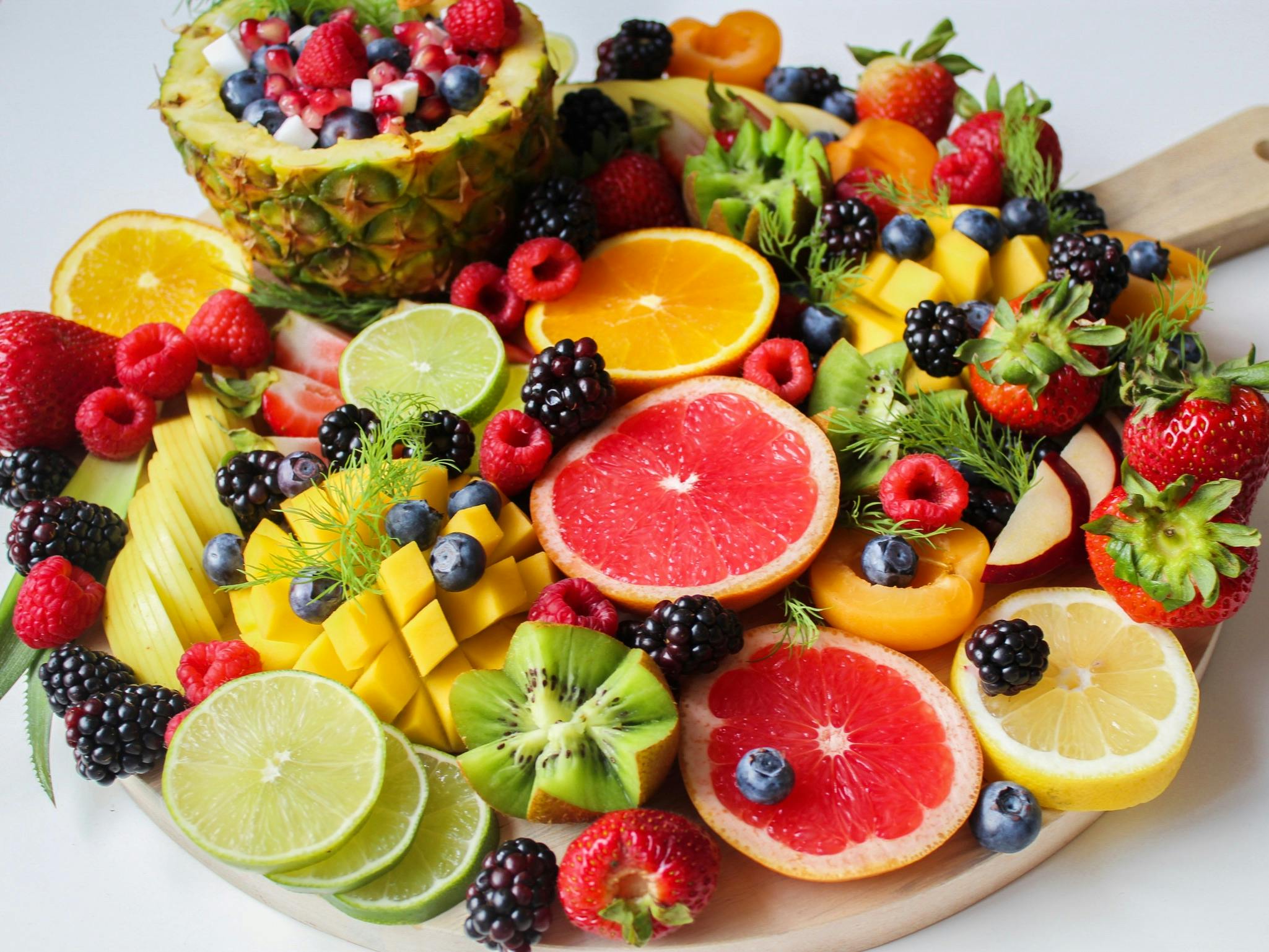
What many don’t realize is that vitamin C works best when consumed regularly through whole foods rather than mega-doses during illness. Your body doesn’t store this water-soluble vitamin, so consistent daily intake matters more than occasional supplementation. Citrus fruits get all the attention, but bell peppers, strawberries, kiwi, broccoli, and Brussels sprouts deliver impressive amounts of this immune-supporting nutrient.
Adults should aim for at least 75-90 mg daily, though some research suggests higher intakes (up to 200 mg) may provide additional immune benefits without adverse effects. The beauty of obtaining vitamin C from food sources lies in the accompanying phytonutrients that work synergistically to enhance absorption and effectiveness.
Beyond Oranges: Diverse Vitamin C Sources
Expanding your vitamin C repertoire ensures you’re not missing out on the unique beneficial compounds each food provides. Red bell peppers contain more vitamin C per serving than oranges, plus beta-carotene and other carotenoids. Guava, papaya, and acerola cherries rank among the highest vitamin C foods globally, while dark leafy greens like kale provide both vitamin C and immune-supporting minerals.
Vitamin D: The Sunshine Vitamin’s Immune Connection ☀️
Vitamin D has emerged as one of the most crucial nutrients for immune regulation, yet deficiency remains widespread, especially in regions with limited sunlight exposure. This fat-soluble vitamin functions almost like a hormone, influencing the expression of hundreds of genes, including those that regulate immune responses.
Research reveals that vitamin D enhances the pathogen-fighting effects of monocytes and macrophages—white blood cells critical to your immune defense—and decreases inflammation. Low vitamin D levels correlate with increased susceptibility to respiratory infections, autoimmune diseases, and prolonged illness duration.
The challenge with vitamin D lies in obtaining adequate amounts through diet alone, as few foods naturally contain significant quantities. Fatty fish like salmon, mackerel, and sardines provide substantial amounts, while fortified dairy products, egg yolks, and mushrooms exposed to UV light contribute smaller doses. For many individuals, sensible sun exposure (10-30 minutes several times weekly, depending on skin tone and location) combined with dietary sources offers the most practical approach.
Blood testing can determine your vitamin D status, with levels between 30-50 ng/mL generally considered optimal for immune function. If deficient, supplementation under healthcare guidance may be necessary to restore adequate levels.
Zinc: The Mineral That Makes Immunity Possible
Zinc doesn’t receive the same publicity as vitamins C and D, yet it’s absolutely essential for immune system development and function. This trace mineral plays roles in immune cell development, inflammatory response regulation, and maintaining the integrity of skin and mucosal membranes that form barriers against pathogens.
Even mild zinc deficiency can impair immune function dramatically. Studies show that zinc supplementation during illness can reduce symptom duration, particularly for respiratory infections. However, balance matters—excessive zinc intake can actually suppress immune function and interfere with copper absorption.
Oysters contain more zinc per serving than any other food, but red meat, poultry, beans, nuts, whole grains, and dairy products also provide meaningful amounts. Vegetarians and vegans need to pay particular attention to zinc intake, as plant-based sources contain phytates that can reduce zinc absorption. Soaking, sprouting, or fermenting grains and legumes enhances zinc bioavailability from these foods.
Getting Your Daily Zinc Requirements
Adult men need approximately 11 mg of zinc daily, while women require about 8 mg. Rather than relying on supplements, which can easily exceed safe upper limits, prioritize zinc-rich foods throughout your day. A serving of beef provides 4-5 mg, while a handful of pumpkin seeds offers about 2 mg along with other beneficial nutrients.
🥬 Antioxidant Powerhouses: Polyphenols and Flavonoids
Beyond vitamins and minerals, plant compounds called phytonutrients exert profound immune-supporting effects. Polyphenols and flavonoids—found abundantly in colorful fruits, vegetables, tea, and spices—function as powerful antioxidants that neutralize harmful free radicals and modulate immune responses.
These compounds don’t just protect cells from oxidative damage; they actively communicate with immune cells, influencing gene expression and cellular signaling pathways. Quercetin, found in onions, apples, and berries, demonstrates antiviral properties. Curcumin from turmeric modulates immune cell activity and reduces excessive inflammation. EGCG from green tea enhances immune function while providing antimicrobial effects.
The diversity of phytonutrients across different plant foods explains why dietary variety matters so much for immune health. Each color family provides unique compounds: red and purple foods offer anthocyanins, orange and yellow foods provide carotenoids, and green vegetables deliver chlorophyll and lutein, all contributing to immune resilience in complementary ways.
Protein: Building Blocks for Immune Cells
Your immune system constantly produces new cells and antibodies, processes that require adequate protein intake. Protein deficiency severely compromises immune function, reducing antibody production, impairing wound healing, and decreasing resistance to infection.
Quality matters as much as quantity. Complete proteins containing all essential amino acids—found in animal products, soy, and quinoa—provide optimal building materials for immune cells. However, combining complementary plant proteins throughout the day also meets these needs effectively.
Beyond quantity, specific amino acids play specialized immune roles. Glutamine fuels rapidly dividing immune cells and maintains gut barrier integrity. Arginine supports wound healing and immune cell proliferation. These amino acids become conditionally essential during stress or illness when demand exceeds the body’s production capacity.
Most adults need approximately 0.8 grams of protein per kilogram of body weight daily for basic health, though immune function may benefit from slightly higher intakes, especially for active individuals or during recovery from illness. Distributing protein intake across meals optimizes utilization rather than consuming large amounts in a single sitting.
Gut Health: Your Immunity’s Command Center 🦠
Approximately 70% of your immune system resides in or around your gut, making digestive health inseparable from immune function. The trillions of bacteria comprising your gut microbiome train immune cells, produce antimicrobial compounds, and maintain the intestinal barrier that prevents pathogens from entering your bloodstream.
Feeding your beneficial gut bacteria through prebiotic fibers—found in garlic, onions, asparagus, bananas, and whole grains—supports a thriving microbial community. Probiotic foods like yogurt, kefir, sauerkraut, kimchi, and kombucha introduce beneficial bacteria directly. The synergy between prebiotics and probiotics creates an environment where immunity flourishes.
Emerging research reveals that gut bacteria produce metabolites like short-chain fatty acids that directly influence immune cell function throughout the body, not just in the digestive tract. A diverse, fiber-rich diet supporting microbial diversity translates into more resilient, balanced immune responses.
Fermented Foods for Immune Excellence
Traditional fermented foods offer both probiotics and enhanced nutrient bioavailability. Fermentation increases vitamin content in some foods while breaking down compounds that interfere with mineral absorption. Incorporating small servings of fermented foods daily—a spoonful of sauerkraut, a cup of kefir, or miso in soup—provides consistent probiotic exposure that benefits immune function.
Omega-3 Fatty Acids: Taming Inflammation Naturally
While acute inflammation represents a healthy immune response to injury or infection, chronic inflammation undermines immunity and contributes to numerous diseases. Omega-3 fatty acids—particularly EPA and DHA found in fatty fish—help resolve inflammation appropriately, preventing it from becoming chronic and counterproductive.
These essential fats don’t suppress immunity; rather, they help immune responses remain balanced and proportionate to threats. They support regulatory T-cells that prevent autoimmune reactions while maintaining the ability to fight genuine pathogens. Omega-3s also enhance the function of B-cells that produce antibodies.
Fatty fish like salmon, sardines, mackerel, and herring provide the most bioavailable omega-3s. Plant sources including flaxseeds, chia seeds, and walnuts offer ALA, which the body converts to EPA and DHA at relatively low rates. For optimal immune benefits, aim for at least two servings of fatty fish weekly, or consider algae-based omega-3 supplements if you follow a plant-based diet.
🍄 Medicinal Mushrooms: Nature’s Immune Modulators
Certain mushroom species have been used in traditional medicine for centuries specifically for immune support, and modern research validates many of these applications. Compounds called beta-glucans in mushrooms like shiitake, maitake, reishi, and turkey tail stimulate immune function by activating various immune cells including natural killer cells, macrophages, and T-cells.
Unlike simple immune stimulants, medicinal mushrooms act as immunomodulators, meaning they help regulate immune responses rather than just amplifying them. This quality makes them valuable for both preventing infections and managing conditions involving immune dysregulation.
Many medicinal mushrooms are now available in grocery stores. Shiitake and maitake mushrooms add delicious flavor to meals while providing immune benefits. For more concentrated effects, extracts and powders of reishi, cordyceps, and turkey tail can be added to soups, smoothies, or tea. Cooking or extracting these mushrooms makes their beneficial compounds more bioavailable.
Hydration: The Overlooked Immunity Essential 💧
Water rarely appears on lists of immune-boosting nutrients, yet adequate hydration fundamentally supports every aspect of immune function. Your lymphatic system, which transports immune cells throughout your body, requires proper fluid balance to function efficiently. Mucous membranes in your respiratory and digestive tracts—critical first-line defenses against pathogens—need adequate moisture to trap and eliminate invaders effectively.
Dehydration thickens mucus, making it less effective at trapping pathogens and impairing ciliary function that moves debris out of airways. It also concentrates waste products in tissues, creates stress that triggers cortisol release, and reduces the efficiency of all cellular processes, including immune responses.
Individual hydration needs vary based on size, activity level, climate, and diet, but the traditional recommendation of eight 8-ounce glasses daily provides a reasonable baseline. Consuming water-rich fruits and vegetables, herbal teas, and broths also contributes to hydration while providing additional immune-supporting nutrients.
Creating Your Immune-Boosting Eating Pattern
Understanding individual nutrients matters less than implementing an overall eating pattern that consistently delivers immune support. The Mediterranean diet, repeatedly shown to reduce inflammation and support immune function, emphasizes vegetables, fruits, whole grains, legumes, nuts, olive oil, and fish—essentially covering all the immune-supporting nutrients discussed.
Rather than obsessing over specific foods or supplements, focus on dietary principles that naturally optimize immunity:
- Eat a rainbow of colorful plant foods daily to maximize phytonutrient diversity
- Include protein sources at each meal to support continuous immune cell production
- Incorporate fermented foods regularly for gut microbiome support
- Choose whole foods over processed alternatives to preserve nutrient content
- Include fatty fish or plant-based omega-3 sources several times weekly
- Stay consistently hydrated throughout the day
- Minimize added sugars, which can temporarily suppress immune function
Practical Daily Implementation
Building immune-supporting habits doesn’t require culinary expertise or expensive ingredients. Start your day with a vegetable omelet or smoothie packed with berries and greens. Include a generous salad with lunch, featuring dark leafy greens, colorful vegetables, nuts or seeds, and a simple olive oil dressing. Dinner might center on grilled salmon with roasted vegetables and quinoa. Snacks could include Greek yogurt with fruit, vegetable sticks with hummus, or a handful of nuts.
This simple approach naturally delivers vitamin C, vitamin D, zinc, antioxidants, protein, prebiotics, probiotics, and omega-3s without requiring supplements or complicated meal plans. Consistency matters more than perfection—regularly nourishing your immune system yields better results than occasional “immune-boosting” interventions.
Beyond Food: Lifestyle Factors That Amplify Nutrition’s Impact
Even the most nutrient-dense diet cannot fully compensate for lifestyle factors that undermine immunity. Sleep deprivation, chronic stress, sedentary behavior, and excessive alcohol consumption all impair immune function regardless of nutritional status. Conversely, adequate sleep, stress management, regular physical activity, and moderate alcohol intake amplify the immune benefits of good nutrition.
Sleep represents a particularly critical factor—during sleep, your body produces and distributes immune cells, manufactures antibodies, and releases cytokines that fight infection and inflammation. Chronic sleep restriction reduces these processes, making you more susceptible to illness even with perfect nutrition.
Physical activity enhances circulation, which helps immune cells move through the body more efficiently. Exercise also appears to flush bacteria from airways, trigger immune cell production, and slow the release of stress hormones. Moderate regular activity provides the most consistent immune benefits, while extreme endurance exercise can temporarily suppress immunity.
🌟 Your Nutrient-Powered Immune Future
The extraordinary thing about nutrient-driven immune support is its accessibility and sustainability. Unlike temporary fixes or expensive interventions, the foods that strengthen your immune system simultaneously reduce disease risk, increase energy, improve mood, and enhance overall well-being. You’re not simply avoiding illness—you’re building vitality from the cellular level upward.
Your immune system evolved over millions of years to work synergistically with nutrients from whole foods. Modern science continues revealing the elegant complexity of these relationships, validating what traditional wisdom has long recognized: food is medicine, and the most powerful form of preventive healthcare happens at your dining table three times daily.
Beginning today, each meal represents an opportunity to invest in your immune resilience. Small, consistent choices accumulate into profound long-term benefits. Your body possesses remarkable healing and protective capabilities—it simply needs the right raw materials to express its full potential. By understanding and implementing these nutrient-driven strategies, you’re not just hoping for better health; you’re actively constructing it, one nourishing bite at a time.