Your immune system works tirelessly every day to protect you from harmful pathogens, viruses, and bacteria. What you eat directly influences how well it performs this critical job.

In today’s fast-paced world, many people reach for supplements and quick fixes to enhance their immunity, often overlooking the most powerful tool available: balanced, nutritious eating. The connection between diet and immune function isn’t just folklore—it’s backed by extensive scientific research showing that certain nutrients, foods, and eating patterns can significantly strengthen your body’s natural defenses. By understanding and implementing strategic dietary choices, you can transform your health from the inside out, building resilience against illness while boosting your overall vitality and energy levels.
🛡️ Understanding Your Immune System’s Nutritional Needs
Your immune system is an incredibly complex network of cells, tissues, and organs that requires constant nourishment to function optimally. Unlike a single organ, it’s distributed throughout your entire body, making its nutritional demands particularly diverse and comprehensive.
Every immune cell, from white blood cells to antibodies, depends on specific vitamins, minerals, proteins, and other nutrients to develop, multiply, and execute their protective functions. When your diet lacks these essential components, your immune response weakens, leaving you vulnerable to infections and slow recovery times.
The good news is that nature has provided us with an abundance of immune-supporting foods. Your body didn’t evolve to rely on synthetic supplements—it’s designed to extract and utilize nutrients from whole foods in their natural form, where they work synergistically with other compounds to maximize absorption and effectiveness.
The Foundation: Macronutrients That Power Immunity
Proteins serve as the building blocks for antibodies and immune cells. Without adequate protein intake, your body simply cannot produce enough defenders to fight off infections. Quality sources include lean meats, fish, eggs, legumes, nuts, and seeds. Aim for a palm-sized portion of protein with each main meal to ensure consistent supply throughout the day.
Healthy fats, particularly omega-3 fatty acids found in fatty fish, walnuts, and flaxseeds, help regulate inflammation—a crucial component of immune response. These fats also enhance the absorption of fat-soluble vitamins like A, D, E, and K, all of which play distinct roles in immune function.
Complex carbohydrates from whole grains, vegetables, and fruits provide the energy your immune system needs to operate. They also feed beneficial gut bacteria, which we now know are intimately connected to immune health through the gut-immune axis.
🥦 Micronutrients: The Mighty Immune Warriors
While all nutrients contribute to health, certain vitamins and minerals stand out as particularly vital for immune function. Understanding these key players helps you make informed food choices that specifically target immune enhancement.
Vitamin C: The Classic Immune Booster
Vitamin C supports the production and function of white blood cells and acts as a powerful antioxidant, protecting immune cells from damage. Contrary to popular belief, oranges aren’t the only source—bell peppers, strawberries, broccoli, kiwi, and Brussels sprouts actually contain higher concentrations per serving.
Your body cannot store vitamin C, making daily intake essential. Aim for at least five servings of fruits and vegetables daily to meet your needs naturally. Raw or lightly cooked preparations preserve more vitamin C than heavy cooking or processing.
Vitamin D: The Sunshine Nutrient
Vitamin D deficiency has been linked to increased susceptibility to infections. This vitamin helps activate T cells, which identify and destroy pathogens. While sunlight exposure triggers vitamin D production in your skin, dietary sources include fatty fish, egg yolks, and fortified foods.
Many people, especially those living in northern climates or spending most time indoors, struggle to maintain adequate vitamin D levels. Regular consumption of vitamin D-rich foods becomes even more critical during winter months when sun exposure decreases.
Zinc: The Cellular Communicator
Zinc is essential for immune cell development and communication. Even mild zinc deficiency can impair immune function. Oysters contain more zinc per serving than any other food, but pumpkin seeds, cashews, chickpeas, and beef also provide substantial amounts.
Vegetarians and vegans should pay special attention to zinc intake, as plant-based sources have lower bioavailability. Soaking beans and grains can improve zinc absorption from these foods.
🌈 Rainbow Eating: The Antioxidant Advantage
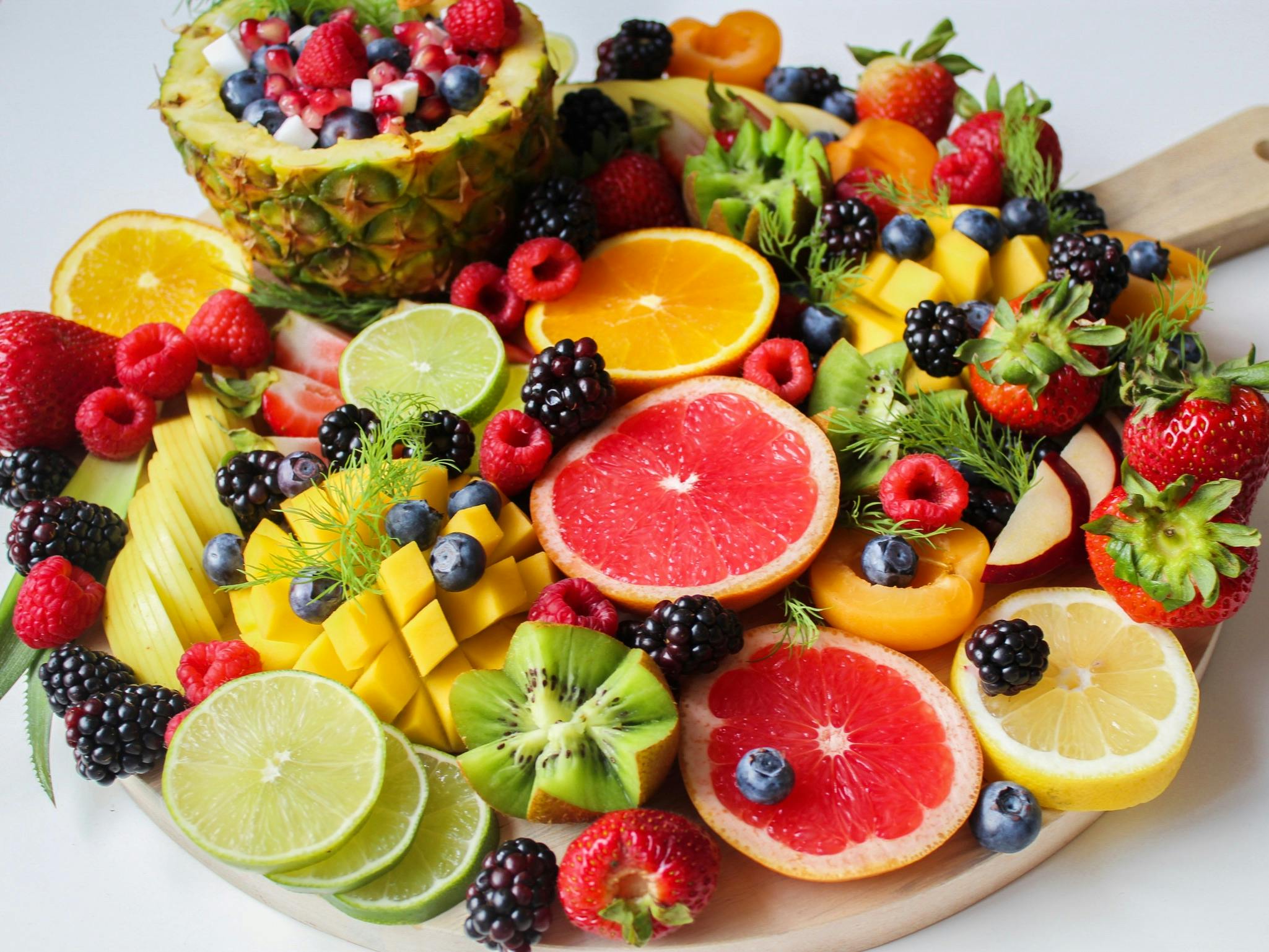
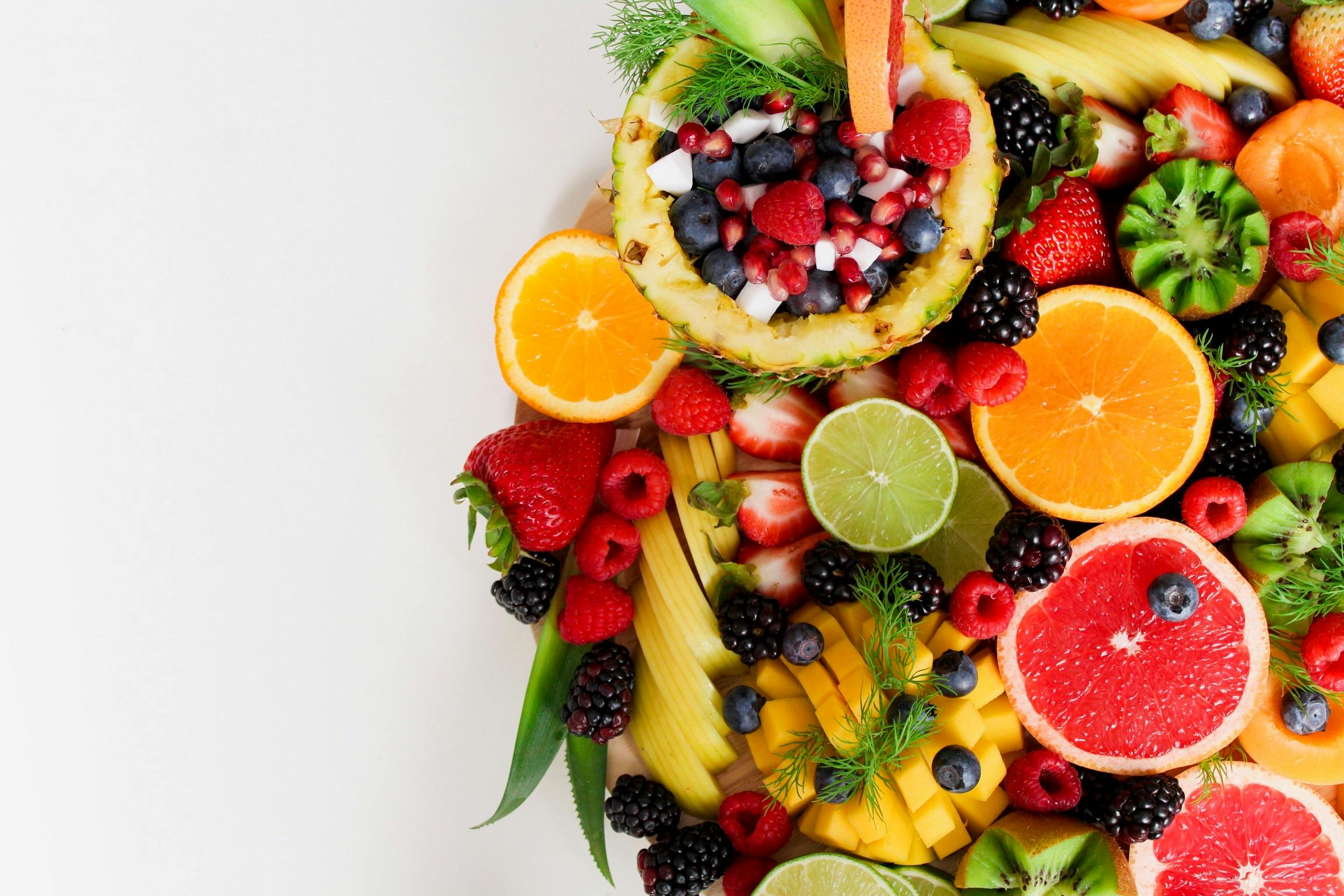
The vibrant colors in fruits and vegetables aren’t just visually appealing—they signal the presence of powerful antioxidants called phytonutrients. These compounds protect your immune cells from oxidative stress and inflammation, both of which can weaken immune response over time.
Red and pink foods like tomatoes, watermelon, and pink grapefruit contain lycopene, which has been shown to enhance immune cell activity. Orange and yellow produce like carrots, sweet potatoes, and mangoes provide beta-carotene, which your body converts to vitamin A—essential for maintaining the integrity of mucosal barriers that keep pathogens out.
Green vegetables such as spinach, kale, and broccoli deliver a spectrum of immune-supporting nutrients including vitamins C, E, and K, along with folate and iron. Blue and purple foods like blueberries, eggplant, and red cabbage contain anthocyanins with potent anti-inflammatory properties.
Challenge yourself to eat at least one food from each color category daily. This simple strategy ensures diverse phytonutrient intake without requiring you to track individual compounds or obsess over specific foods.
🦠 The Gut-Immunity Connection: Feeding Your Microbiome
Approximately 70% of your immune system resides in your gut, where trillions of beneficial bacteria help train and regulate immune responses. The health of your gut microbiome directly impacts your immunity—a diverse, balanced microbial community correlates with stronger immune function.
Probiotic Foods: Introducing Beneficial Bacteria
Fermented foods contain live beneficial bacteria that can colonize your gut and support immune function. Yogurt with live cultures, kefir, sauerkraut, kimchi, kombucha, and miso all provide probiotics along with other nutrients. Incorporating these foods regularly helps maintain microbial diversity.
Not all fermented foods contain live cultures—pasteurization kills bacteria. Look for labels indicating “live and active cultures” or choose unpasteurized versions from the refrigerated section. Start with small amounts if you’re new to fermented foods, gradually increasing as your system adjusts.
Prebiotic Foods: Nourishing Your Gut Bacteria
Prebiotics are specific types of fiber that feed beneficial gut bacteria. Foods rich in prebiotics include garlic, onions, leeks, asparagus, bananas, oats, and Jerusalem artichokes. When gut bacteria ferment these fibers, they produce short-chain fatty acids that strengthen the intestinal barrier and modulate immune responses.
A healthy gut microbiome requires both probiotics and prebiotics. Think of probiotics as the seeds and prebiotics as the fertilizer—you need both for a thriving internal garden that supports robust immunity.
💧 Hydration: The Often-Overlooked Immune Essential
Water makes up about 60% of your body weight and is crucial for every physiological function, including immunity. Proper hydration helps produce lymph, which carries white blood cells and nutrients throughout your body. It also maintains mucosal barriers in your respiratory and digestive tracts—your first line of defense against pathogens.
Dehydration can impair immune function and make you more susceptible to illness. While individual needs vary based on activity level, climate, and body size, aim for at least eight glasses of water daily. Herbal teas, broths, and water-rich fruits and vegetables also contribute to hydration.
Consider starting your day with a glass of water and keeping a reusable water bottle with you as a visual reminder. If plain water feels boring, infuse it with cucumber, lemon, berries, or fresh herbs for flavor without added sugar.
⚠️ Foods and Habits That Undermine Immunity
Understanding what supports immunity is only half the equation. Certain foods and eating patterns can actively suppress immune function, making it harder for your body to defend itself effectively.
Sugar: The Sweet Saboteur
Excessive sugar consumption temporarily impairs the ability of white blood cells to attack bacteria. Studies show that consuming 100 grams of sugar (about the amount in three cans of soda) can reduce immune function by up to 50% for several hours. This effect is most pronounced in the hours immediately following consumption.
Processed foods often contain hidden sugars, making it easy to exceed healthy limits without realizing it. Read labels carefully and minimize consumption of sodas, candy, baked goods, and sweetened beverages. Choose whole fruits over fruit juices—the fiber in whole fruit slows sugar absorption and provides additional immune benefits.
Alcohol: A Double-Edged Sword
While moderate alcohol consumption may have some health benefits, excessive drinking disrupts gut bacteria balance, damages intestinal barriers, impairs white blood cell production, and interferes with sleep—all of which weaken immunity. If you choose to drink, limit consumption to moderate levels: up to one drink daily for women and two for men.
Ultra-Processed Foods: Nutrient Deserts
Heavily processed foods typically contain minimal nutrients while being high in unhealthy fats, sodium, and additives. They displace nutrient-dense whole foods from your diet and can promote inflammation. Build your diet around minimally processed whole foods, saving highly processed options for occasional treats rather than dietary staples.
🍽️ Practical Strategies for Immune-Supporting Eating Patterns
Knowledge without implementation changes nothing. Here are practical strategies to transform immune-boosting nutrition from concept to daily reality.
The 80/20 Approach
Perfection isn’t necessary or sustainable. Aim to make nutrient-dense, immune-supporting choices 80% of the time, allowing flexibility for social occasions and treats the remaining 20%. This balanced approach prevents both nutritional deficiencies and the stress that comes from overly restrictive eating.
Meal Planning and Preparation
Planning meals in advance makes healthy eating dramatically easier. Dedicate time each week to plan meals, shop for ingredients, and prepare components in advance. Wash and chop vegetables, cook grains and proteins in batches, and portion snacks into containers. This investment saves time during busy weekdays and reduces reliance on less nutritious convenience options.
Strategic Supplementation
While food should always be your primary source of nutrients, strategic supplementation can fill gaps. Vitamin D supplementation makes sense for many people, especially during winter. Consult with a healthcare provider about testing your levels and determining appropriate supplementation based on your individual needs rather than guessing.
🌟 Creating Your Immune-Boosting Plate
Visual guidelines help translate nutritional knowledge into practical meal construction. Use the plate method to ensure balanced, immune-supporting meals without complicated calculations or food weighing.
Fill half your plate with colorful vegetables and fruits—the more variety, the better. One quarter should contain quality protein sources, and the remaining quarter should feature complex carbohydrates like whole grains, starchy vegetables, or legumes. Add a serving of healthy fats through cooking oil, nuts, seeds, or avocado.
This simple framework automatically ensures adequate intake of immune-supporting nutrients while promoting satiety and stable energy levels. Adapt the template to your cultural preferences, dietary restrictions, and personal tastes—healthy eating should never feel like punishment.
📊 Sample Daily Menu for Maximum Immune Support
Understanding concepts is valuable, but concrete examples make implementation easier. Here’s a sample day of immune-boosting meals:
Breakfast: Greek yogurt with mixed berries, walnuts, and a drizzle of honey, plus green tea. This provides probiotics, antioxidants, omega-3 fats, and natural sweetness.
Mid-Morning Snack: Apple slices with almond butter, offering fiber, vitamin C, and healthy fats that sustain energy.
Lunch: Large mixed green salad with grilled chicken, chickpeas, bell peppers, tomatoes, sunflower seeds, and olive oil vinaigrette, accompanied by whole grain bread. This delivers protein, zinc, vitamins A and C, probiotics from fermented vegetables if included, and complex carbohydrates.
Afternoon Snack: Carrot sticks with hummus, providing beta-carotene and plant-based protein.
Dinner: Baked salmon with roasted sweet potato and steamed broccoli, finished with lemon juice. This meal supplies omega-3 fats, vitamin D, beta-carotene, vitamin C, and numerous other micronutrients.
Evening: Herbal tea like chamomile or ginger, supporting hydration and providing additional antioxidants.
This menu is simply an example—endless variations exist using different foods that provide similar nutritional benefits. The key is consistent inclusion of diverse, nutrient-dense whole foods throughout your day.
🔄 Consistency Over Perfection: Building Lasting Habits
The most nutritious diet in the world provides no benefit if you can’t maintain it. Sustainable change happens through small, consistent actions rather than dramatic overhauls that quickly become overwhelming.
Start by identifying one or two changes that feel manageable and relevant to your current situation. Perhaps you’ll add one additional serving of vegetables to your daily intake, or replace afternoon candy with fruit and nuts. Once these changes become habit, add another small improvement.
Track your progress in ways that feel motivating rather than punishing. Notice improvements in energy levels, sleep quality, and how frequently you get sick rather than obsessing over daily perfection. Remember that every nutritious choice benefits your immune system—you don’t need to get everything right simultaneously.
🌍 Seasonal Eating for Year-Round Immunity
Eating seasonally ensures you consume produce at peak nutritional content while naturally varying your diet throughout the year. This variation exposes you to different nutrients and phytonutrients, supporting immune function through diversity.
Winter citrus fruits provide extra vitamin C when cold and flu season peaks. Spring greens offer detoxifying compounds after heavier winter eating. Summer berries deliver anthocyanins and hydration during hot weather. Fall squashes and root vegetables supply beta-carotene and complex carbohydrates as temperatures drop.
Visit local farmers markets to discover what’s in season in your area. Seasonal produce typically costs less and tastes better than out-of-season alternatives that have traveled long distances. This approach connects you to natural rhythms while supporting local agriculture.
💪 Moving Forward with Confidence
Strengthening your immunity through balanced eating isn’t about following rigid rules or eliminating entire food groups. It’s about making informed choices that nourish your body’s natural defenses consistently over time. Every meal represents an opportunity to support your immune system or neglect it—the cumulative effect of these choices shapes your health trajectory.
Your immune system has evolved over millennia to work optimally when fueled with diverse, nutrient-dense whole foods. By returning to this fundamental principle and moving away from heavily processed, nutrient-poor options, you align with your body’s biological design. The power to boost your immunity naturally exists at the end of your fork—you simply need to use it wisely and consistently.
Start today with one meal, one better choice. Build from there gradually, celebrating progress rather than pursuing perfection. Your immune system will respond to your consistent efforts, becoming stronger and more resilient with each nutritious decision. The investment you make in balanced eating pays dividends not just in fewer sick days, but in enhanced energy, vitality, and quality of life for years to come.