Your immune system works tirelessly every single day to protect you from harmful invaders, and supporting it naturally through plant-based nutrition can transform your overall health and vitality.

In our fast-paced modern world, maintaining a robust immune system has become more important than ever. While there’s no magic pill that can instantly boost immunity, nature has provided us with an incredible arsenal of plant-based foods, herbs, and nutrients that work synergistically to strengthen our body’s natural defense mechanisms. Understanding how to harness these powerful natural resources can be your key to experiencing fewer sick days, increased energy levels, and long-term wellness that radiates from the inside out.
🌿 Understanding Your Immune System’s Natural Intelligence
Your immune system is an incredibly sophisticated network of cells, tissues, and organs that work together to defend your body against infections, diseases, and harmful substances. This complex biological system consists of two main components: the innate immune system, which provides immediate but general defense, and the adaptive immune system, which develops targeted responses to specific threats over time.
What many people don’t realize is that approximately 70-80% of your immune cells reside in your gut. This intimate connection between digestive health and immune function means that what you eat directly influences your body’s ability to fight off pathogens and maintain optimal health. Plant-based foods provide the essential nutrients, fiber, and phytochemicals that feed beneficial gut bacteria and support immune cell production.
When your immune system functions optimally, it can distinguish between your body’s own cells and foreign invaders, responding appropriately to threats while avoiding unnecessary inflammation. However, factors like chronic stress, poor nutrition, lack of sleep, and environmental toxins can compromise this delicate balance, leaving you vulnerable to illness and disease.
The Science Behind Plant-Based Immune Support 🔬
Plant-based foods contain thousands of bioactive compounds that have been scientifically proven to enhance immune function. These phytonutrients work through multiple pathways to strengthen your body’s defenses, including reducing inflammation, neutralizing free radicals, supporting beneficial gut bacteria, and enhancing the activity of immune cells like natural killer cells, T cells, and B cells.
Antioxidants found abundantly in colorful fruits and vegetables protect your immune cells from oxidative stress, which can impair their function. Vitamins C and E, beta-carotene, selenium, and zinc all play crucial roles in maintaining immune cell integrity and effectiveness. Meanwhile, polyphenols found in berries, green tea, and dark leafy greens have demonstrated powerful anti-inflammatory and antimicrobial properties in numerous studies.
Research consistently shows that people who consume diets rich in whole plant foods experience lower rates of chronic diseases, faster recovery from illnesses, and better overall immune markers compared to those eating processed, animal-based diets. The fiber in plant foods acts as a prebiotic, feeding beneficial gut bacteria that produce short-chain fatty acids, which in turn regulate immune function and reduce systemic inflammation.
Superstar Plant Foods That Fortify Your Defenses 🥬
Certain plant-based foods stand out for their exceptional immune-boosting properties. Incorporating these nutritional powerhouses into your daily diet can provide comprehensive support for your body’s defense systems.
Citrus Fruits and Vitamin C Champions
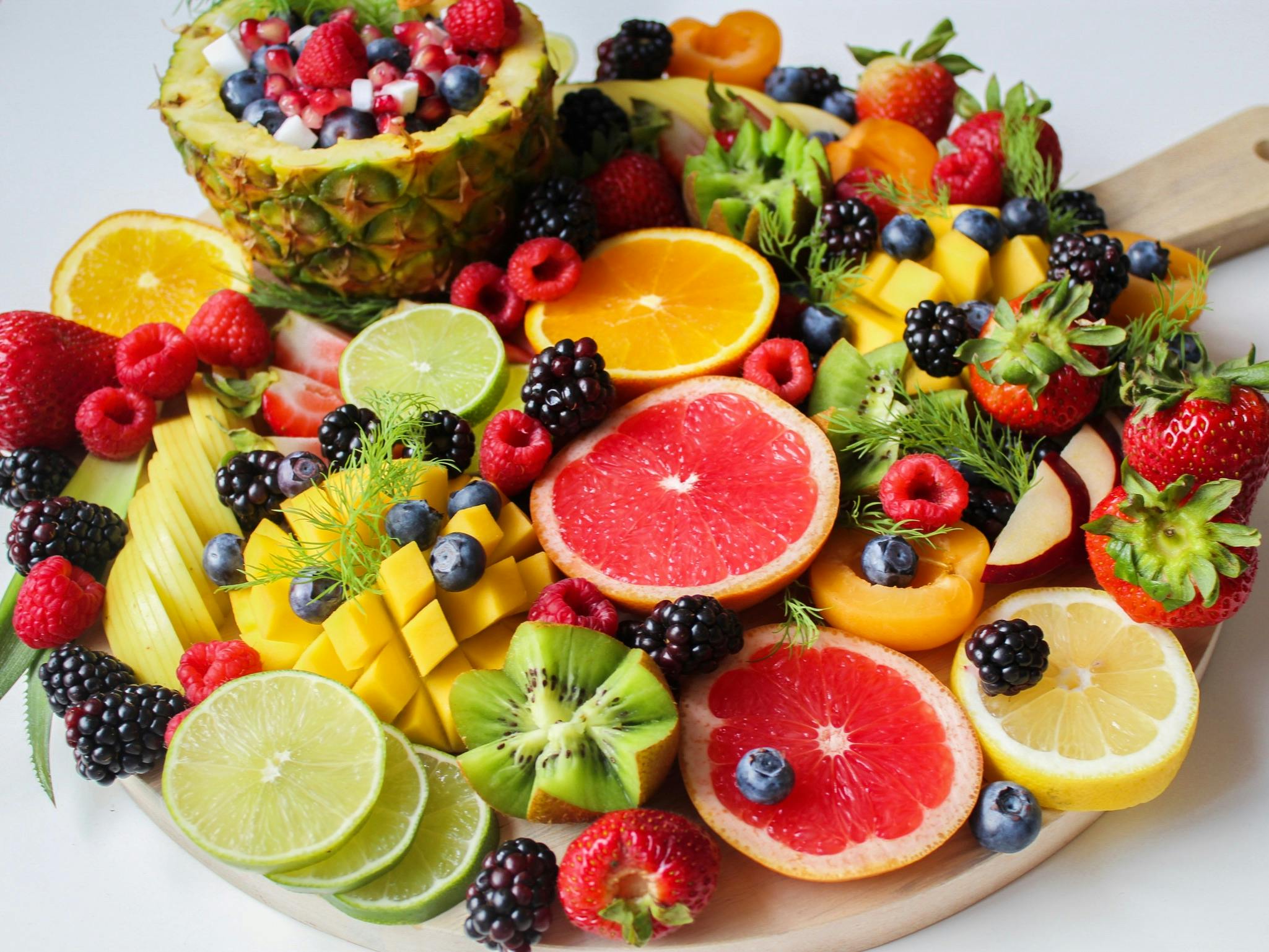
Oranges, lemons, grapefruits, and other citrus fruits are renowned for their high vitamin C content, a nutrient essential for the production and function of white blood cells. However, other plant foods like bell peppers, strawberries, kiwi, broccoli, and Brussels sprouts actually contain even higher concentrations of this vital immune nutrient. Vitamin C also acts as a powerful antioxidant, protecting immune cells from damage during the inflammatory response to infections.
Garlic and Onions: Nature’s Antibiotics
These aromatic vegetables contain allicin and other sulfur compounds that have demonstrated significant antimicrobial, antiviral, and immune-enhancing properties. Regular consumption of garlic has been shown to reduce the frequency and duration of colds, while also supporting cardiovascular health and reducing inflammation throughout the body.
Mushrooms: Immune Modulators
Medicinal mushrooms like shiitake, maitake, reishi, and turkey tail contain beta-glucans and other polysaccharides that activate immune cells and enhance their pathogen-fighting capabilities. These fungi have been used in traditional medicine for centuries and are now backed by modern scientific research demonstrating their ability to balance immune responses.
Leafy Greens and Cruciferous Vegetables
Spinach, kale, collard greens, chard, broccoli, and cauliflower provide an abundance of vitamins A, C, and K, along with folate and fiber. These vegetables also contain unique compounds like sulforaphane and indole-3-carbinol that support detoxification processes and may help prevent cellular damage that can compromise immune function.
Berries: Antioxidant Powerhouses
Blueberries, strawberries, raspberries, and blackberries are packed with anthocyanins and other flavonoids that reduce oxidative stress and inflammation while supporting healthy immune responses. These colorful fruits also provide vitamin C and fiber, making them an ideal snack for immune support.
🌱 Essential Nutrients for Immune Excellence
Beyond whole foods, certain specific nutrients play starring roles in maintaining robust immunity. Understanding which plant-based sources provide these essential compounds helps you create a comprehensive immune-support strategy.
Zinc is critical for immune cell development and communication, and plant-based sources include pumpkin seeds, hemp seeds, chickpeas, lentils, oatmeal, and quinoa. Vitamin D, while challenging to obtain from plant foods alone, can be found in fortified plant milks, mushrooms exposed to UV light, and through sensible sun exposure.
Vitamin A supports the integrity of mucosal barriers in your respiratory and digestive tracts, which serve as your first line of defense against pathogens. Sweet potatoes, carrots, butternut squash, and dark leafy greens provide beta-carotene, which your body converts to active vitamin A.
Iron supports immune cell proliferation and maturation, with plant sources including lentils, beans, tofu, quinoa, fortified cereals, and dark leafy greens. Pairing these foods with vitamin C-rich options enhances iron absorption. Selenium, found in Brazil nuts, whole grains, and legumes, acts as a powerful antioxidant and supports antibody production.
Herbs and Spices That Pack an Immune Punch 🌶️
The concentrated bioactive compounds in culinary and medicinal herbs provide targeted immune support that complements a whole-food plant-based diet. These powerful plants have been used therapeutically for thousands of years across various traditional healing systems.
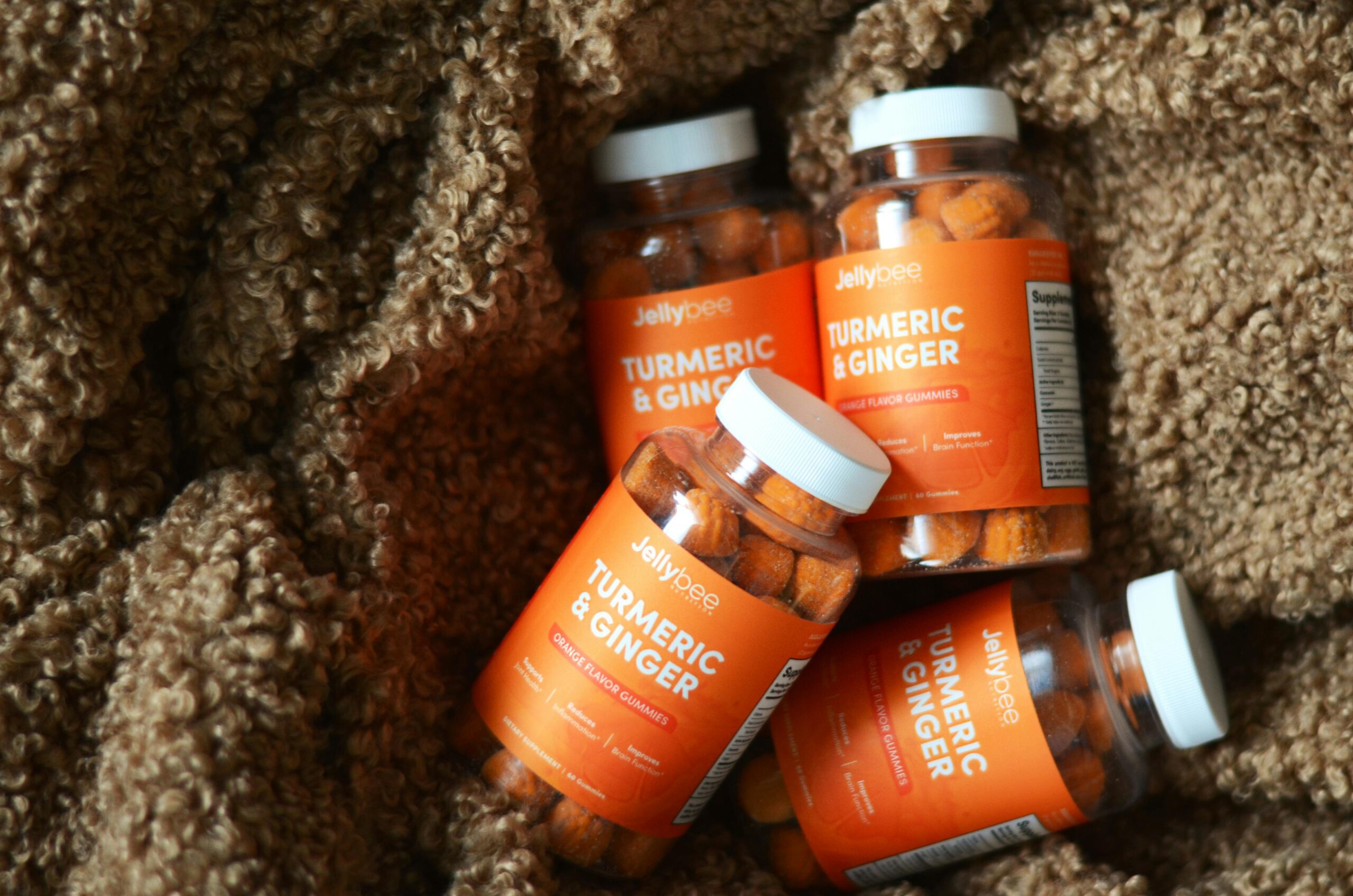
Turmeric contains curcumin, a compound with remarkable anti-inflammatory and immune-modulating properties. Black pepper enhances curcumin absorption by up to 2000%, making this a powerful combination for immune health. Ginger offers similar anti-inflammatory benefits along with antimicrobial properties that help fight infections.
Echinacea has been extensively studied for its ability to reduce the duration and severity of upper respiratory infections. Elderberry has demonstrated antiviral properties, particularly against influenza viruses. Astragalus root, commonly used in Traditional Chinese Medicine, supports immune cell function and may enhance resistance to stress-related immune suppression.
Green tea provides powerful polyphenols called catechins, particularly epigallocatechin gallate (EGCG), which has been shown to enhance immune function while providing antioxidant and antimicrobial benefits. Oregano, thyme, rosemary, and sage all contain volatile oils with antimicrobial properties that support immune health when used regularly in cooking.
Creating Your Daily Immune-Boosting Routine 📅
Consistency is key when it comes to supporting your immune system naturally. Rather than seeking quick fixes during cold and flu season, establishing year-round habits provides sustained protection and resilience.
Start your day with a nutrient-dense smoothie containing leafy greens, berries, ground flaxseeds, plant-based protein, and a small piece of fresh ginger or turmeric. This provides an immediate influx of antioxidants, fiber, and immune-supporting nutrients that set a positive tone for the entire day.
Incorporate a rainbow of colorful vegetables into your lunch and dinner, ensuring you’re getting a wide spectrum of phytonutrients. Each color represents different beneficial compounds: orange and yellow vegetables provide carotenoids, red foods offer lycopene and anthocyanins, green vegetables supply chlorophyll and sulforaphane, and purple produce contains powerful anthocyanins.
Snack on raw nuts and seeds, which provide healthy fats, protein, and minerals like zinc and selenium. Herbal teas throughout the day can provide gentle immune support while keeping you hydrated. Consider rotating between green tea, ginger tea, echinacea tea, and other medicinal herb infusions.
🍽️ Sample Immune-Boosting Meal Plan
Having a practical framework helps you translate nutritional knowledge into daily action. This sample day of eating showcases how delicious and satisfying immune-supporting plant-based meals can be.
Breakfast: Overnight oats made with rolled oats, chia seeds, cinnamon, sliced banana, mixed berries, walnuts, and fortified plant milk. This combination provides fiber, omega-3 fatty acids, antioxidants, and sustained energy.
Mid-Morning Snack: A small handful of Brazil nuts (for selenium) and an orange or kiwi (for vitamin C). This simple combination delivers powerful immune support in a convenient package.
Lunch: Large mixed green salad with chickpeas, roasted sweet potato, bell peppers, cherry tomatoes, pumpkin seeds, and a tahini-lemon dressing. Serve with whole grain crackers or a slice of sprouted grain bread.
Afternoon Snack: Carrot and celery sticks with hummus, or apple slices with almond butter and a sprinkle of cinnamon. These options provide both quick energy and sustained satiety.
Dinner: Stir-fried tofu with broccoli, mushrooms, garlic, ginger, and bok choy served over quinoa or brown rice. Season with turmeric, black pepper, and low-sodium tamari for maximum flavor and immune benefits.
Evening: A cup of chamomile or green tea with a small square of dark chocolate (70% cacao or higher) provides antioxidants along with relaxation support for better sleep.
Lifestyle Factors That Amplify Plant-Based Immune Support 💪
While nutrition forms the foundation of natural immunity, other lifestyle factors significantly influence how well your immune system functions. A holistic approach that addresses multiple aspects of health creates synergistic benefits that exceed what diet alone can provide.
Quality sleep is non-negotiable for immune health. During deep sleep, your body produces and releases cytokines, proteins that target infection and inflammation. Chronic sleep deprivation reduces the production of these protective proteins and infection-fighting antibodies. Aim for 7-9 hours of consistent, quality sleep each night by establishing a regular sleep schedule and creating a calming bedtime routine.
Regular physical activity enhances circulation, which allows immune cells and substances to move through your body more efficiently. Moderate exercise has been shown to boost immune function, while excessive, intense training without adequate recovery can temporarily suppress immunity. Find a balance that works for your body, incorporating both cardiovascular exercise and strength training throughout the week.
Chronic stress significantly impairs immune function by elevating cortisol levels, which can suppress the effectiveness of immune responses. Incorporate stress-management practices like meditation, deep breathing exercises, yoga, spending time in nature, or engaging in creative hobbies. Even just 10-15 minutes of mindful breathing daily can produce measurable improvements in immune markers.
🚫 What to Avoid for Optimal Immune Function
Supporting your immune system isn’t just about what you add to your lifestyle—it’s also about what you remove or minimize. Certain dietary and lifestyle factors actively undermine immune function and should be reduced or eliminated.
Refined sugars and processed foods create inflammatory responses in the body and can suppress white blood cell function for several hours after consumption. These foods also displace nutrient-dense whole plant foods in your diet, creating a double negative effect on immunity.
Excessive alcohol consumption impairs the ability of white blood cells to kill bacteria and increases susceptibility to infections. If you choose to drink, do so in strict moderation and prioritize alcohol-free days throughout the week to allow your immune system to function optimally.
Chronic dehydration affects every system in your body, including immunity. The mucous membranes in your respiratory tract need adequate hydration to trap pathogens effectively. Aim for at least 8-10 glasses of water daily, more if you’re active or in hot climates.
Environmental toxins from cigarette smoke, air pollution, pesticides, and household chemicals can burden your immune system. Choose organic produce when possible, especially for the “dirty dozen” foods highest in pesticide residues. Use natural cleaning products and improve indoor air quality with plants and proper ventilation.
Building Resilience for Long-Term Immune Health 🌟
True immune health isn’t about never getting sick—it’s about building resilience so that when you do encounter pathogens, your body can mount an effective response and recover quickly. A well-nourished immune system that’s supported by plant-based nutrition responds appropriately to threats without overreacting, which is what happens in autoimmune conditions and allergies.
The anti-inflammatory nature of whole plant foods helps maintain this crucial balance. Chronic inflammation, often called “inflammaging,” accelerates aging and increases susceptibility to both infections and chronic diseases. By flooding your body with anti-inflammatory compounds from plants, you support appropriate immune responses while preventing the damage caused by excessive inflammation.
Remember that building robust immunity is a marathon, not a sprint. The compounds in plant foods work cumulatively over time, creating positive changes at the cellular level that manifest as better health outcomes. While you might notice some benefits within weeks—such as increased energy or better digestion—the most profound immune benefits develop over months and years of consistent healthy choices.
🎯 Empowering Your Immune Journey Starting Today
The beauty of plant-based immune support is that you can start implementing these strategies immediately, with no special equipment or expensive supplements required. Every meal is an opportunity to nourish your immune system with protective compounds that enhance your body’s natural defenses.
Begin by adding one or two immune-boosting foods to your daily routine this week. Perhaps you’ll start your morning with a green smoothie, add an extra serving of vegetables to your lunch, or experiment with cooking with more herbs and spices. Small, consistent changes compound into significant health improvements over time.
Consider keeping a simple food journal to track how different plant-based meals make you feel. Notice your energy levels, digestion, sleep quality, and overall sense of wellbeing. This awareness helps you identify which foods and patterns work best for your unique body and lifestyle.
Connect with others on a similar journey through online communities, local plant-based cooking classes, or farmer’s markets where you can discover new immune-supporting foods. Social connections themselves contribute to immune health, and sharing recipes and experiences makes the journey more enjoyable and sustainable.
Your immune system is remarkably responsive to the care you provide it. By choosing whole, plant-based foods rich in vitamins, minerals, antioxidants, and fiber, you’re giving your body the raw materials it needs to protect you from illness, recover quickly when challenges arise, and maintain vitality throughout your life. The power to transform your health truly is on your plate, three times a day. Start where you are, use what you have, and embrace the incredible potential of plant-based nutrition to create a stronger, healthier, more resilient you. Your immune system will thank you with increased energy, fewer sick days, and the robust health that allows you to fully engage with life’s adventures. 🌈