
Your immune system works tirelessly to protect you from harmful pathogens, environmental stressors, and everyday challenges that threaten your wellness.

In our fast-paced modern world, supporting your body’s natural defense mechanisms has never been more critical. While pharmaceutical interventions have their place, nature has provided us with an abundant array of nutrient-dense superfoods that can significantly strengthen your immune response. These powerful ingredients contain bioactive compounds, antioxidants, vitamins, and minerals that work synergistically to enhance your body’s ability to fight illness and maintain optimal health. By incorporating immune-supportive superfoods into your daily routine, you’re not just preventing disease—you’re investing in long-term vitality, energy, and resilience that will serve you throughout your lifetime.
🍊 Understanding the Immune System and Nutritional Support
Your immune system is an intricate network of cells, tissues, and organs that coordinate to defend your body against invaders. This complex biological system requires specific nutrients to function at peak performance. When you’re deficient in key vitamins, minerals, or phytonutrients, your immune response becomes compromised, leaving you vulnerable to infections and chronic inflammation.
Superfoods earn their title through exceptional nutritional density—they pack significantly more beneficial compounds per calorie than ordinary foods. These nutritional powerhouses contain immune-modulating properties that help regulate inflammatory responses, support white blood cell production, and strengthen your body’s first line of defense. Rather than relying on isolated supplements, whole food superfoods provide complementary nutrients that enhance absorption and effectiveness.
🫐 Berry Powerhouses: Antioxidant-Rich Immune Defenders
Berries represent some of nature’s most potent immune-supporting foods, loaded with anthocyanins, vitamin C, and polyphenols that combat oxidative stress. Blueberries, in particular, contain more antioxidants than nearly any other common fruit, making them exceptional for reducing inflammation and supporting cellular health.
Elderberries have gained significant attention for their specific antiviral properties. Research demonstrates that elderberry compounds can reduce the severity and duration of cold and flu symptoms by blocking viral replication. These dark purple berries are traditionally prepared as syrups, teas, or supplements to provide concentrated immune benefits during peak illness seasons.
Acai berries, native to the Amazon rainforest, deliver an impressive array of immune-boosting compounds including omega fatty acids, fiber, and plant sterols. Their deep purple pigment indicates high anthocyanin content, which helps neutralize free radicals that can damage immune cells. Incorporating a variety of berries into your diet ensures you receive diverse phytonutrients that work together to strengthen your body’s defenses.
Optimal Ways to Consume Immune-Boosting Berries
- Add fresh or frozen berries to morning smoothies for an antioxidant-rich start
- Prepare homemade elderberry syrup during cold and flu season
- Top yogurt or oatmeal with mixed berries and nuts for sustained energy
- Create berry-infused water for hydration with added immune benefits
- Freeze berries for convenient year-round access to their nutritional power
🥬 Leafy Greens: Mineral-Dense Immunity Builders
Dark leafy greens like kale, spinach, Swiss chard, and collard greens provide essential vitamins A, C, E, and K, along with minerals like iron, calcium, and magnesium that support immune function. These vegetables contain chlorophyll, which has natural detoxifying properties that help your body eliminate toxins that can burden your immune system.
Kale stands out as a nutritional champion, containing more vitamin C per serving than an orange and providing substantial amounts of beta-carotene, which your body converts to vitamin A—a critical nutrient for maintaining healthy mucous membranes that serve as barriers against pathogens. The sulforaphane compounds in kale also activate detoxification enzymes that protect cells from damage.
Spinach delivers a powerful combination of folate, iron, and antioxidants that support red blood cell production and oxygen transport throughout your body. Adequate iron levels are essential for immune cell proliferation, making spinach particularly valuable for maintaining robust immunity. The vitamin C content in spinach enhances iron absorption, creating a synergistic nutritional effect.
🧄 Pungent Protectors: Garlic, Ginger, and Turmeric
Aromatic, flavorful superfoods like garlic, ginger, and turmeric have been used medicinally for thousands of years across numerous cultures. Modern science now validates what traditional healers instinctively knew—these powerful plants contain bioactive compounds with remarkable immune-enhancing properties.
Garlic contains allicin, a sulfur-containing compound released when garlic is crushed or chopped. Allicin has demonstrated antibacterial, antiviral, and antifungal properties in numerous studies. Regular garlic consumption has been associated with reduced frequency of common colds and faster recovery times when illness does occur. For maximum benefit, allow crushed garlic to sit for ten minutes before cooking to allow allicin to fully form.
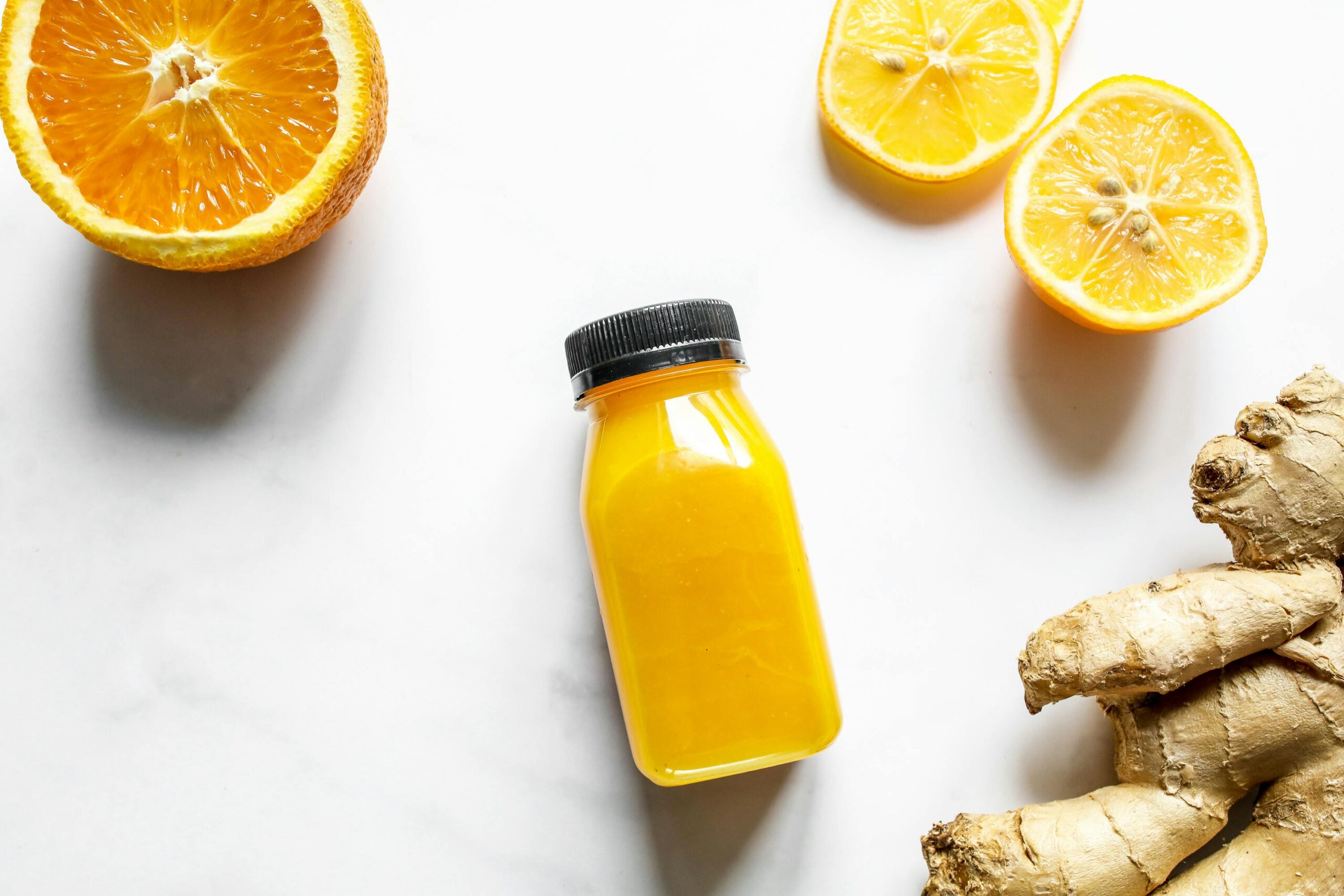
Ginger root provides powerful anti-inflammatory compounds called gingerols that help modulate immune responses and reduce chronic inflammation. This warming spice also supports digestive health, which is intrinsically connected to immune function since approximately 70% of your immune system resides in your gut. Fresh ginger tea is particularly soothing during illness and helps clear congestion naturally.
The Golden Spice: Turmeric’s Immune Magic
Turmeric contains curcumin, one of the most extensively researched natural anti-inflammatory compounds available. Curcumin helps regulate immune cell activity, supports healthy inflammatory responses, and provides antioxidant protection throughout your body. The challenge with turmeric is bioavailability—your body doesn’t easily absorb curcumin on its own.
Combining turmeric with black pepper increases curcumin absorption by up to 2,000% due to piperine, a compound in pepper. Adding healthy fats like coconut oil or olive oil further enhances absorption since curcumin is fat-soluble. Golden milk—a warm beverage combining turmeric, black pepper, ginger, and coconut milk—represents an ideal delivery system for these immune-supporting compounds.
🍄 Medicinal Mushrooms: Ancient Adaptogens for Modern Immunity
Medicinal mushrooms have emerged as powerful immune modulators, containing unique polysaccharides like beta-glucans that directly stimulate immune cell activity. Unlike simple immune stimulants, these adaptogens help balance immune responses—strengthening defenses when needed while preventing overactive responses that lead to autoimmunity.
Reishi mushrooms, known as the “mushroom of immortality” in traditional Chinese medicine, support both cellular and humoral immunity. These adaptogenic fungi help your body manage stress more effectively, which is crucial since chronic stress significantly suppresses immune function. Reishi also promotes better sleep quality, allowing your body to perform essential immune maintenance during rest.
Shiitake mushrooms contain lentinan, a polysaccharide that activates macrophages and natural killer cells—your body’s first responders against viral infections and abnormal cells. Regular shiitake consumption has been associated with improved immune markers and reduced inflammatory responses. These delicious mushrooms easily integrate into everyday cooking, making them accessible immune supporters.
Other Powerful Medicinal Mushroom Varieties
- Chaga: Packed with antioxidants and supports cellular health
- Lion’s Mane: Supports neurological health and cognitive function
- Turkey Tail: Contains polysaccharopeptides that enhance immune surveillance
- Cordyceps: Increases energy production and oxygen utilization
- Maitake: Supports healthy blood sugar regulation and immune balance
🐝 Bee Products: Nature’s Antimicrobial Treasures
Honeybees create several substances with remarkable immune-supporting properties. Raw honey contains enzymes, antioxidants, and antimicrobial compounds that have been used therapeutically for millennia. Unlike processed honey, raw varieties retain beneficial enzymes and propolis residues that enhance its medicinal value.
Propolis, the resinous substance bees use to seal their hives, demonstrates powerful antibacterial, antiviral, and antifungal properties. This bee glue contains over 300 beneficial compounds including flavonoids and phenolic acids that support immune function. Propolis supplements, tinctures, or throat sprays provide concentrated immune benefits, especially during times of increased exposure to pathogens.
Bee pollen represents one of nature’s most complete foods, containing proteins, vitamins, minerals, enzymes, and antioxidants. This nutritional powerhouse supports energy production while providing immune-modulating compounds. Royal jelly, the special food reserved for queen bees, contains unique proteins and fatty acids that support immune health and hormonal balance.
🥑 Healthy Fats: Essential for Immune Cell Function
Your immune cells require specific fatty acids to maintain membrane integrity and communicate effectively. Omega-3 fatty acids from sources like wild-caught salmon, sardines, chia seeds, and walnuts help regulate inflammatory responses and support the production of specialized pro-resolving mediators that help your body recover from immune challenges.
Avocados provide monounsaturated fats along with vitamin E, a powerful antioxidant that protects immune cells from oxidative damage. The healthy fats in avocados also enhance the absorption of fat-soluble vitamins from other foods, making them an excellent addition to salads loaded with colorful vegetables.
Extra virgin olive oil contains oleocanthal, a compound with anti-inflammatory properties similar to ibuprofen but without side effects. This Mediterranean staple supports cardiovascular health while providing polyphenols that modulate immune responses. Choose high-quality, cold-pressed varieties and use them raw or at low temperatures to preserve their beneficial compounds.
🌱 Fermented Foods: Gut Health and Immune Connection
The profound connection between gut health and immune function cannot be overstated. Your gastrointestinal tract houses approximately 70% of your immune system, with trillions of beneficial bacteria playing crucial roles in immune regulation, pathogen defense, and inflammatory modulation.
Fermented foods like sauerkraut, kimchi, kefir, kombucha, and miso provide beneficial probiotics that colonize your gut and support immune surveillance. These living foods contain diverse bacterial strains that compete with pathogenic organisms, produce antimicrobial compounds, and train your immune system to distinguish between helpful and harmful microbes.
Yogurt with live active cultures provides easily accessible probiotics along with protein and calcium. Greek yogurt offers higher protein content, supporting tissue repair and immune cell production. For maximum benefit, choose plain varieties without added sugars, which can suppress immune function and feed harmful bacteria.
Building a Fermented Foods Practice
Starting a fermented foods habit doesn’t require dramatic dietary overhauls. Begin with small portions to allow your digestive system to adapt, gradually increasing intake as tolerance develops. Homemade fermentation projects like sauerkraut or water kefir provide economical, high-quality probiotics while connecting you to traditional food preparation methods.
🍵 Green Tea: Antioxidant-Rich Immune Elixir
Green tea contains catechins, particularly epigallocatechin gallate (EGCG), which demonstrate powerful antioxidant and immune-modulating properties. These compounds support natural killer cell activity, enhance antibody production, and provide antiviral effects against various pathogens.
The L-theanine in green tea promotes alpha brain wave activity, supporting relaxation without sedation. This amino acid works synergistically with the modest caffeine content to provide sustained mental clarity and focus. The stress-reducing properties of L-theanine indirectly support immune function by lowering cortisol levels that can suppress immunity.
Matcha, a powdered form of green tea, provides even more concentrated benefits since you consume the entire leaf rather than just the brewed water. This vibrant green powder contains up to ten times more antioxidants than regular green tea and provides sustained energy without the jitters associated with coffee.
🥜 Seeds and Nuts: Mineral-Rich Immune Supporters
Seeds and nuts provide essential minerals like zinc, selenium, and magnesium that play critical roles in immune function. Zinc supports the development and function of immune cells, while selenium helps regulate inflammatory responses and thyroid function. Magnesium participates in hundreds of enzymatic reactions that support overall health and stress management.
Pumpkin seeds are exceptional zinc sources, with just a quarter cup providing nearly half your daily requirement. Brazil nuts contain extraordinarily high selenium content—just two nuts daily provide more than adequate amounts of this crucial mineral. Almonds deliver vitamin E, healthy fats, and protein that support tissue repair and immune cell production.
Chia seeds and flaxseeds provide plant-based omega-3 fatty acids in the form of alpha-linolenic acid (ALA), along with fiber that supports healthy gut bacteria. Grinding flaxseeds before consumption enhances nutrient absorption, allowing your body to access their beneficial compounds more effectively.
🍊 Citrus Fruits: Vitamin C Powerhouses
Citrus fruits like oranges, grapefruits, lemons, and limes are renowned for their vitamin C content—a nutrient essential for immune cell function and collagen synthesis. Vitamin C supports the production and function of white blood cells while protecting them from oxidative damage during immune responses.
Beyond vitamin C, citrus fruits contain flavonoids like hesperidin and naringenin that provide additional antioxidant and anti-inflammatory benefits. The peel and white pith contain particularly high concentrations of these beneficial compounds, making organic citrus zest a valuable addition to recipes.
While vitamin C doesn’t prevent colds as once believed, adequate intake reduces severity and duration of symptoms. Your body cannot store vitamin C, requiring regular dietary intake to maintain optimal immune function. Consuming a variety of vitamin C-rich foods throughout the day ensures consistent availability for immune processes.
💪 Creating Your Personalized Immune-Boosting Protocol
Building sustainable immune support requires more than sporadically consuming superfoods—it demands consistent, intentional dietary patterns that prioritize nutrient density. Start by identifying which immune-supportive superfoods align with your taste preferences and lifestyle, ensuring long-term adherence to your wellness plan.
Consider creating a weekly meal prep routine that incorporates multiple immune-boosting ingredients into convenient, delicious meals. Batch-cooking bone broth, preparing fermented vegetables, and portioning nuts and seeds for snacks ensures these powerful foods are readily available when hunger strikes.
Seasonal eating naturally provides immune support appropriate for different times of year. Winter months call for warming spices, citrus fruits, and root vegetables, while summer offers berries, leafy greens, and fresh herbs—all perfectly timed to support your body’s changing needs.
Sample Daily Immune-Supporting Menu
- Breakfast: Green smoothie with spinach, berries, chia seeds, and turmeric
- Mid-morning: Green tea with lemon and raw honey
- Lunch: Salmon salad with mixed greens, avocado, walnuts, and olive oil dressing
- Afternoon snack: Yogurt with pumpkin seeds and blueberries
- Dinner: Stir-fry with shiitake mushrooms, garlic, ginger, and colorful vegetables
- Evening: Golden milk with turmeric, black pepper, and coconut milk
🌟 Beyond Food: Lifestyle Factors That Amplify Superfood Benefits
While immune-supportive superfoods provide extraordinary benefits, they work most effectively when combined with comprehensive lifestyle practices. Sleep quality dramatically impacts immune function—during deep sleep, your body produces and releases cytokines that fight infection and inflammation. Aim for seven to nine hours of quality sleep nightly to maximize your superfoods’ immune-enhancing effects.
Regular physical activity stimulates circulation, helping immune cells move efficiently throughout your body. Moderate exercise enhances immune surveillance while reducing chronic inflammation. However, excessive training without adequate recovery can temporarily suppress immunity, highlighting the importance of balance.
Stress management practices like meditation, yoga, deep breathing, and time in nature significantly support immune function by regulating cortisol levels. Chronic stress suppresses immune responses, making even the most nutrient-dense diet less effective. Integrating daily stress-reduction practices amplifies the benefits of immune-supportive superfoods.
🎯 Making Immune Support Sustainable and Enjoyable
The most effective immune-supporting protocol is one you can maintain consistently over time. Rather than pursuing perfection, focus on progress—gradually incorporating more immune-boosting superfoods while crowding out less nutritious options. This gentle approach creates sustainable habits rather than temporary dietary restrictions.
Experiment with new recipes and preparation methods to keep your immune-supporting foods interesting and delicious. Join community-supported agriculture programs or farmers markets to access fresh, seasonal superfoods while connecting with local food producers. These relationships often provide inspiration, recipes, and accountability for maintaining your wellness practices.
Remember that individual nutritional needs vary based on age, activity level, health status, and environmental factors. While these immune-supportive superfoods benefit most people, consider working with qualified healthcare providers or nutritionists to create personalized protocols addressing your specific requirements and health goals.
Your immune system represents your body’s most sophisticated defense network, constantly working to protect you from countless threats. By consistently nourishing this remarkable system with nature’s most powerful superfoods, you’re investing in resilience, vitality, and long-term wellness. These nutrient-dense ingredients provide not just disease prevention but enhanced energy, mental clarity, and quality of life that extends far beyond simply avoiding illness. Start today by incorporating just one or two immune-supportive superfoods into your routine, gradually building a comprehensive approach that transforms your health from the inside out.